
Zero Proof and Gen Z: Why Young Adults Drink Less Alcohol Than Previous Generations
-
Tomasz Wojtalewicz
Table of contents
Gen Z and Alcohol – How Do Young Adults Approach Drinking Today?
Today’s twenty-somethings grew up in a world where awareness around health, mental wellbeing and lifestyle has evolved faster than ever before. They live at a pace that demands a clear head: they work, study, create, build personal brands and try to take care of relationships — and of themselves. For them, alcohol is just one of many options, not an automatic marker of adulthood. And that alone makes them approach drinking differently than previous generations.
For Gen Z, the experience matters more than the act of drinking itself. A good conversation, the right atmosphere, an interesting event — that’s what counts, not what’s in the glass. As a result, alcohol-free drinks have become a fully valid choice, not a “second-best” substitute. A new culture has emerged naturally: a culture of drinking less, drinking more consciously, or not drinking at all — without giving up fun, taste or social connection.
Key Data and Global Trends
A closer look at how young adults approach alcohol reveals a clear shift. Gen Z hasn’t abandoned alcohol entirely, but they drink less often, more cautiously and with more intention than their peers did a decade or two ago. U.S. studies show a rising number of college-age adults choosing complete abstinence — a trend that has been growing since the early 2000s. Even more striking is the pattern among young adults under 35: their reported alcohol consumption has dropped noticeably over the past two decades.
This is not just an American phenomenon. Across Europe, Australia and many other regions, research shows that young people are increasingly choosing alcohol-free lifestyles or limiting drinking to special occasions. The alcohol-free beverage market is growing faster than any other drink category, and “zero proof” is no longer a novelty. It’s becoming a natural part of a lifestyle where wellbeing and a clear mind the next morning are priorities.
Differences Between Gen Z, Millennials and Boomers
Unlike earlier generations, Gen Z does not view alcohol as a default part of social life. When you compare how different generations behaved at the same age, the contrast is striking. Large cohort studies suggest that members of Gen Z are almost twenty times more likely to be abstinent than Boomers were at their age. Millennials already drank less than the generation before them, but Gen Z is setting a new standard.
Their drinking patterns also look different. Older generations often followed the “rarely, but heavily” model, while Gen Z is more likely to skip alcohol altogether — even on a night out. What’s characteristic is their desire to be fully present — socially and mentally. That’s why they order alcohol-free cocktails, functional drinks or zero-proof spirits that let them join in the fun without losing control.
Is the Trend Consistent? Where Do We See Exceptions?
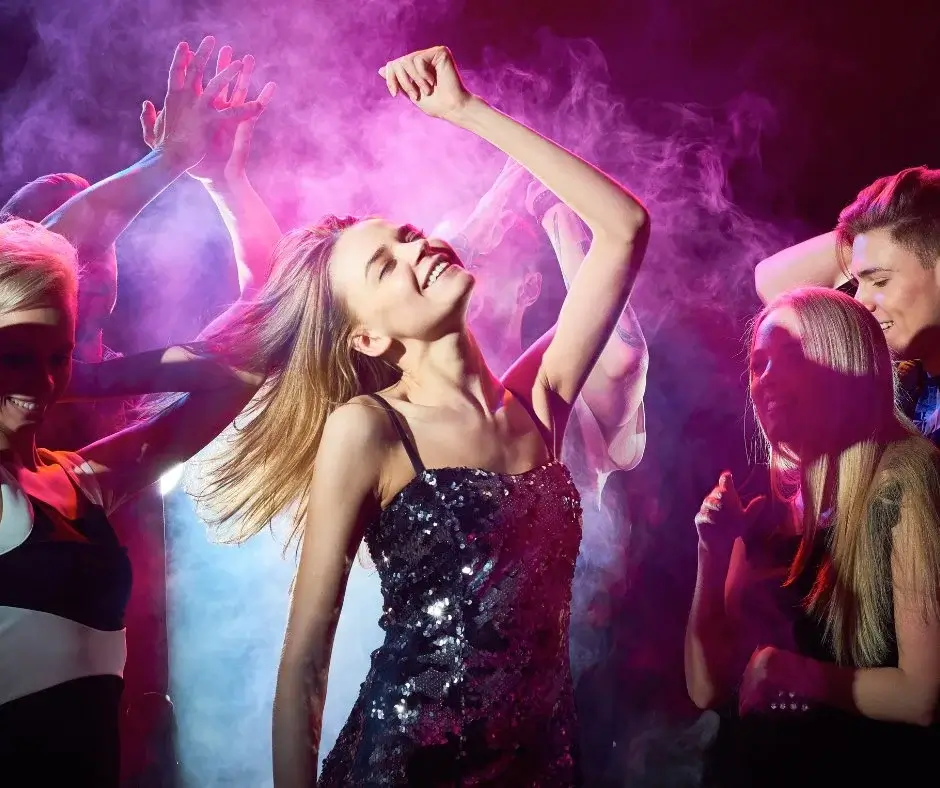
Even though the overall direction is clear, the picture isn’t perfectly uniform. In some countries or age groups, temporary increases in alcohol consumption can be observed, especially among those who have only recently reached legal drinking age. Some analyses suggest that economic factors and social cycles play a role here — for example, the post-pandemic return to nightlife, when many young people once again explored going out.
But even in places where drinking temporarily rises, young adults still reach for alcohol-free options more often than older generations, alternate alcoholic drinks with zero-proof choices, or simply choose shorter, more controlled outings. The landscape is varied, but the overall trend remains the same: alcohol is losing its status as the central element of Gen Z’s social life.
Why Are Young People Drinking Less? Key Drivers
Understanding why Gen Z drinks less requires looking beyond the numbers. Young adults today live in a reality where every decision — including whether to drink — has consequences for their health, budget, work and even their image on social media. It’s no surprise that many simply choose the lighter, more balanced path that matches their lifestyle.
This generation doesn’t announce grand revolutions — instead, they make small adjustments. Sometimes they swap a drink for a 0% version, sometimes they limit alcohol to a few occasions a year, and sometimes they pick pleasures that don’t end with a hangover. The cumulative effect of these small decisions is the cultural shift we’re seeing around the world.
Health, Wellbeing and Intentional Choices
The biggest driver is growing concern for health — both physical and mental. Gen Z grew up in a time when the effects of alcohol were openly discussed without sugar-coating. Awareness of the risks is far higher than it was in the 90s or even the 2000s, and young people treat their health as an investment. They use apps that track sleep, heart rate, mood and workouts, making it easy to notice how alcohol impacts their wellbeing. For many, a hangover isn’t just a bad morning — it’s a drop in mood and energy that can throw off an entire day. If it can be avoided, many simply choose to skip alcohol.
Economics and Lifestyle — Alcohol as a “Luxury Item”
Finances are another strong factor. Young people increasingly see alcohol as something that doesn’t quite fit into their budget. With high living costs, spending considerable amounts on a night out feels less appealing compared to other priorities. Instead of three cocktails, they’d rather buy a concert ticket, have a good meal or — very Gen Z — choose something that improves their wellbeing. Alcohol is slowly shifting from an everyday item to an occasional luxury.
Social Media and Image Pressure
Social media also plays a role, though not always the obvious one. Gen Z grew up in a world where every moment can end up on Instagram or TikTok. That naturally affects how they behave at parties. Getting too drunk is not only unhealthy — it’s risky for one’s image. On top of that, their feeds are full of content about wellness, mindfulness and mental health, which encourages reflection on what supports their wellbeing and what undermines it. Increasingly, alcohol falls into the latter category.
A New Party Culture and New Ways of Spending Free Time
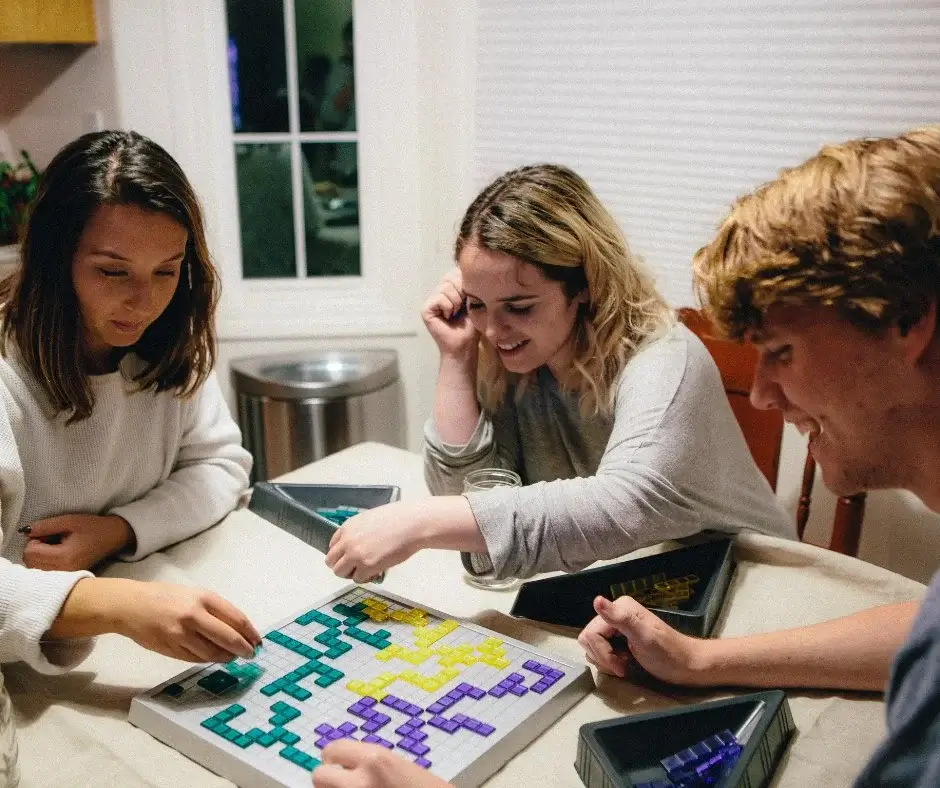
The way young adults spend their time is changing. The classic “Friday night at the bar” is no longer a default plan. Intimate house gatherings, at-home activities, gaming, creative hobbies or “experience-based” outings like concerts, exhibitions or workshops are gaining popularity. In many of these settings, alcohol is unnecessary — sometimes even disruptive. And since more venues now offer full zero-proof menus, going out no longer requires choosing between alcohol and sugary soft drinks.
Education and Higher Awareness of Risks
Finally, there’s knowledge. Gen Z has easy access to reliable information about health, and the topic of alcohol’s impact on the body is no longer taboo. They’re aware of the links between alcohol, chronic illnesses and cancer. Many also know the modern consensus: there is no safe amount of alcohol. As a result, alcohol becomes a choice — not a cultural norm.
Zero Proof as a Response to Gen Z’s Needs
The shift in young people’s drinking habits didn’t happen in a vacuum — the market reacted quickly. What was once a niche curiosity has now become a fully developed category followed by both global brands and ambitious local producers. Zero proof is no longer perceived as a “fallback” option. Young consumers have made it clear that they want flavor, quality and an experience that doesn’t require alcohol — and the beverage industry has adapted to this new reality at surprising speed.
The Rise of 0% Drinks and Free Spirits
It’s hard to find a bar today that doesn’t offer at least a few alcohol-free options. These are no longer “driver drinks,” but a proper, well-crafted part of the menu — often more inventive than classic cocktails. The popularity of 0% products is growing faster than any other beverage category, with Gen Z driving much of that growth. For young adults, ordering an alcohol-free whisky sour or mojito isn’t a compromise — it’s a lifestyle-aligned choice.
Free spirits — alcohol-free counterparts of whisky, rum or gin — are gaining traction because they offer exactly what young people are looking for: flavor, ritual, atmosphere — but without the side effects. They blend classic bar culture with modern expectations, where the experience and how you feel the next day matter equally.
What Gen Z Values in Alcohol-Free Products (Flavor, Experience, Ingredients)
Young consumers approach beverages with more awareness than previous generations. They care about the ingredients, the production process, calorie count and how a drink fits into their daily routine. They prefer something spicy, dry, complex — something that feels adult, not like a sugary juice.
Flavor is absolutely key. Gen Z expects a full spectrum of aromas: bold spice notes, acidity, bitterness — everything that builds a cocktail’s character. This is a generation raised on specialty coffee, craft teas, kombucha, matcha and fusion cuisine. Their palates are used to intensity, and they want a drink that “says something,” not one that is simply smooth and safe.
Ingredients matter just as much. Young consumers want to know what they’re drinking — the shorter and more natural the ingredient list, the better. The drink has to align with their values: health, conscious decision-making and self-care. That’s precisely where free spirits shine: they preserve the ritual of adult drinking without demanding compromise.
How Brands Are Responding to New Consumer Behavior
Brands that recognized the shift early are now ahead. This is visible across premium segments as well as among local producers. Companies are creating dedicated 0% product lines, collaborating with bartenders, adding full zero-proof sections to menus and investing in aesthetics, storytelling and design. Alcohol-free drinks no longer look “diet” — they look sophisticated, stylish and often even more Instagram-ready than their alcoholic counterparts.
Most importantly, brands are starting to think beyond the product itself. They’re building narratives around tasting, offering food pairing, creating communities and hosting events and workshops. Zero proof has become a cultural movement — and brands that understand this are growing alongside it.
The Social Impact of Changing Drinking Habits
When a generation shifts its habits, it naturally affects the entire culture. The way we drink — or increasingly, the way we don’t drink — shapes the atmosphere of gatherings, social norms and everyday choices. Just a few years ago, being sober often required an explanation. Today, it’s becoming as ordinary as saying you don’t feel like dessert. Zero proof not only enables new forms of socializing but also redefines how we understand fun, connection and spontaneity without alcohol.
New Norms and Rituals — Alcohol-Free Social Events
For decades, alcohol was almost an obligatory element of parties. Today, things look different: more and more young people host gatherings where alcohol is optional — or absent altogether. House parties, themed events, board-game nights, creative meetups, cooking evenings, sports watch parties… all of these settings naturally accommodate 0% drinks.
What matters is that these events aren’t “worse” or “less spontaneous” versions of alcohol-driven parties. Quite the opposite: many find them more genuine, warmer and less chaotic. Zero proof brings a new kind of energy — one that doesn’t require alcohol for people to feel comfortable and connected.
How Gen Z Is Influencing Older Generations
The domino effect is already visible. Millennials — who dominated bars and clubs a decade ago — are increasingly adopting younger generations’ habits. This doesn’t always mean full abstinence, but it often leads to a more intentional approach: less, occasionally, but better.
Boomers and Gen X are also warming up to 0% options, especially for health reasons. When younger people show up to gatherings with their own free spirits, older guests often want to try them. The result? Zero proof becomes a bridge between generations — not a dividing line.
Is 0% Normalizing Sobriety in Public Spaces?
A few years ago, ordering an alcohol-free cocktail could draw puzzled looks. Today, it’s completely normal. More restaurants and bars are adding extensive 0% menus, and bartenders treat zero-proof cocktails with the same respect and creativity as classic recipes.
Because of this, sobriety is no longer associated with “a problem,” “punishment,” or “self-denial.” It’s becoming a natural, valid choice. You can go on a date, attend a work event or visit a trendy bar and order something that looks and tastes like an adult drink — without having to explain yourself.
Zero proof isn’t just a hospitality trend — it’s a real social shift that gives people more freedom of choice and changes the cultural language around alcohol. Sobriety has simply become one of the options — and that might be the biggest revolution of all.
Challenges and Controversies
Even though zero proof is growing rapidly and Gen Z is genuinely reshaping drinking culture, many questions remain unanswered. Every social shift brings enthusiasm — but also doubt and uncertainty. Brands, researchers and consumers are trying to understand how this trend will evolve as the generation matures, how different markets respond to the same phenomena, and where the line lies between a healthy alternative and potential risk. It’s an area that requires attention — because no cultural revolution is one-dimensional.
Does the Decline in Drinking Extend Across Adulthood?
While Gen Z does drink less as young adults, researchers emphasize that we still don’t know how this trend will look across the next decades of their lives. History shows that drinking patterns often change as people enter new stages of adulthood: stable work, family life, greater financial responsibility or simply a new lifestyle. Some analyses even suggest that a portion of people begins to drink slightly more after turning thirty, when peer pressure weakens and life takes on a different rhythm.
This doesn’t necessarily mean a return to old habits — but it does mean the current trend should be viewed with caution. Today’s picture may be the beginning of a lasting shift, but it may also transform as the generation grows older.
How Should We Interpret Conflicting Data Across Markets?
When you compare data from the U.S., Europe, Asia or Australia, the picture isn’t perfectly consistent. Many factors contribute to this: cultural differences, varying alcohol regulations, the availability of 0% options and local social dynamics. In some countries, alcohol consumption among young people is falling sharply; in others, it’s merely leveling off; and in some — especially post-pandemic — it has temporarily increased.
This shows that it’s too simplistic to claim that “all of Gen Z drinks less.” A more accurate statement is that there is a strong global shift toward moderation, but the scale and pace vary significantly by region. Context is key — and understanding that this trend has many local shades.
Do 0% Drinks Reduce or Reinforce the Desire to Drink Alcohol?
This is one of the most frequently asked questions in the zero-proof debate: do alcohol-free products help reduce drinking, or can they trigger the opposite effect? The answer isn’t straightforward.
For many people, 0% drinks offer real support — they allow participation in social rituals without the impact of alcohol. They can effectively replace drinking in situations where flavor, atmosphere or the cocktail format matters.
But some individuals may experience 0% beverages as a “reminder” of traditional alcohol, which in certain contexts might increase the desire for the alcoholic version. This is why awareness matters. Zero proof isn’t a magic solution — it’s a tool that works differently depending on a person’s needs, habits and relationship with alcohol.
Where Are Zero Proof and Gen Z Heading?
When you look at the data, cultural signals and real-world behavior, it becomes clear that zero proof isn’t a fleeting trend — it’s part of a deeper generational transformation. Gen Z isn’t rejecting alcohol outright; they’re redefining how we want to function as a society: more consciously, more responsibly, but also more stylishly and creatively. This generation isn’t afraid of alternatives — they see them as an opportunity to build new rituals and new meanings.
Key Takeaways from the Data
Across the research and social observations, one thing is clear: we’re living through a cultural shift. Gen Z is challenging what was long considered obvious — that adulthood equals alcohol. In their world, adulthood means choice — intentional, value-driven choice. It’s not just about health or money, but about a lifestyle that aligns with their priorities.
For some, that means reducing alcohol; for others, cutting it out entirely; and for many, simply embracing more flexibility. Zero proof fits naturally into this mindset, offering ways to maintain familiar rituals in a modern, healthier format.
What Does This Mean for the Future of the Beverage Market?
The beverage industry is entering one of its biggest transformations in decades. What we drink is changing — and so is why we drink. The zero-proof movement isn’t a fad; it’s the outcome of deeper social and economic shifts. More brands will expand their alcohol-free lines, and bars and restaurants will treat 0% cocktails with the same seriousness as traditional ones. Demand will rise for complex flavors, premium ingredients and storytelling that adds a sense of identity and craft.
In practice, this means the future of the market won’t be divided into “alcoholic” and “alcohol-free.” It will split into brands that understand modern consumers — and those that fall behind. Zero proof won’t replace alcohol completely, but it will stand alongside it as an equal choice. And if the momentum continues, in a few years nobody will ask, “Why aren’t you drinking?”
Because the answer will be obvious: because you have alternatives that are just as good — and sometimes even better.
Sources: