
The illusion of alcohol without alcohol – a mechanism, not a trick
The sense of “alcohol-like” character in 0% drinks is often described as an illusion or an attempt to deceive the consumer. This oversimplifies what is actually happening in perception. The brain does not respond to the presence of alcohol itself, but to a set of sensory, contextual, and cognitive signals that it has learned to associate with alcohol over time. Zero proof is therefore not about imitating alcohol content, but about activating familiar perceptual patterns through different means.
Why it’s not about imitation, but about activating familiar patterns
Imitating alcohol usually means copying aroma or perceived “strength,” which quickly leads to dissonance: the brain recognizes the smell, but does not receive the expected physiological response. Activating patterns works differently. It recreates the conditions under which the brain typically interprets a drink as “adult”: appropriate structure, flavor sequencing, tension, and duration of experience. This is why a well-designed 0% drink doesn’t try to taste like rum, whisky, or gin—it follows the logic of how those drinks are consumed.
How the brain responds to complexity instead of intensity
Intensity is a simple signal—it works fast, but fades quickly. Complexity, on the other hand, engages attention and working memory, forcing the brain to interpret. In beverages, this means that a layered flavor profile that evolves over time is perceived as more satisfying than a single hit of sweetness or heat. That’s why zero proof built on structure, balance, and contrast can create a sense of depth despite the complete absence of alcohol.
Ritual, pace, and context as part of the experience
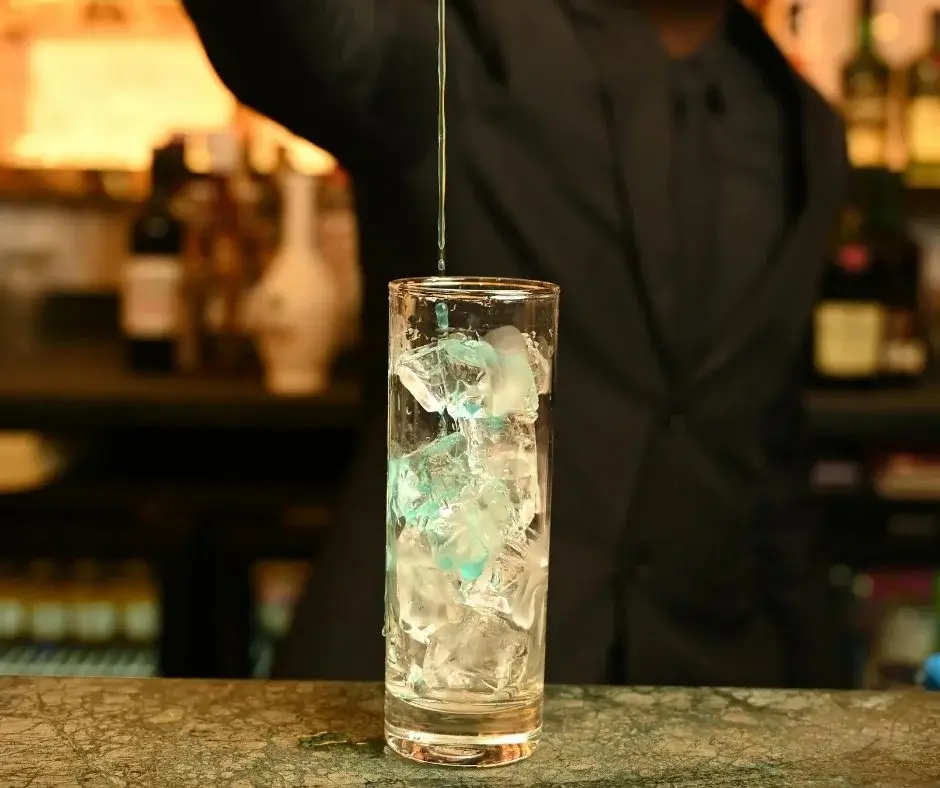
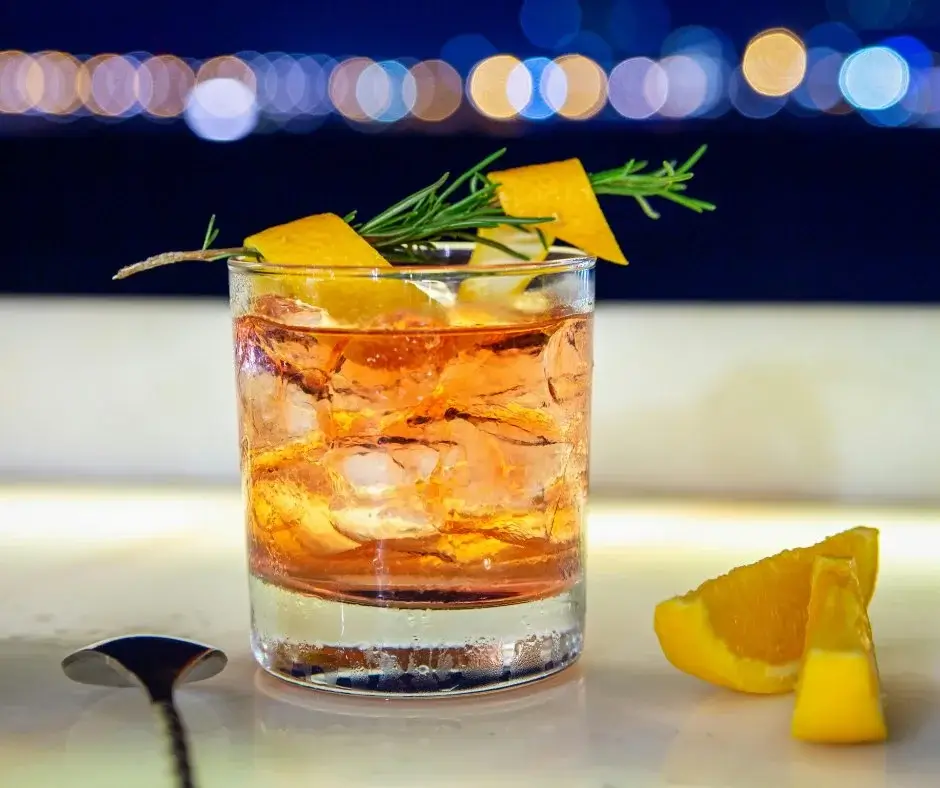
The brain never consumes flavor in isolation. Presentation, glassware, temperature, drinking pace, and situational context all play a critical role. Alcohol has taught us to slow down, pause, and treat drinks as ritualized experiences. Zero proof that ignores this often fails immediately. When a 0% drink fits into a familiar ritual—an aperitif, a cocktail, an evening moment—the brain automatically elevates its perceived value.
How to design 0% drinks that “work with the brain”
Designing a zero proof drink doesn’t start with a list of aromas, but with the trajectory of the experience. The brain processes flavor sequentially, not simultaneously. What happens at the beginning, in the middle, and at the end is what truly matters.
From first sip to finish – sequential thinking about flavor
The first sip sets expectations, the mid-palate holds attention, and the finish determines whether the experience is remembered as satisfying. Alcohol often supports these stages through ethanol, which extends perception and adds weight. In zero proof, each stage must be consciously designed—from entry, through development, to closure. Without this sequence, a drink quickly loses cognitive relevance and is reduced to simple refreshment.
Why structure and balance matter more than aroma
Aroma creates promise, but structure delivers fulfillment. The brain adapts quickly to smell, while information related to texture, tension, and balance is processed for much longer. That’s why in 0% drinks, success is not driven by intense “alcohol-like” aromas, but by how flavor behaves over time and across repeated sips.
When zero proof stops being a “lack” and becomes a choice
The turning point comes when the brain no longer interprets the absence of alcohol as a loss, but accepts a 0% drink as a complete, autonomous experience. This only happens when the drink doesn’t invite comparison, but establishes its own rules of perception. At that moment, zero proof becomes a choice—not a compromise.
Zero proof as a new category of experience, not a substitute
The biggest limitation of the 0% category is constant comparison to alcohol. As long as that comparison persists, the brain will keep searching for what’s missing. Breaking away from the substitute mindset opens the door to full acceptance.
Why the brain accepts 0% when it doesn’t have to compare
The brain operates contextually. When a drink is framed as an “alcohol alternative,” comparison mode activates automatically. When it’s presented as a standalone category of experience, the reference point disappears. Evaluation then focuses on what the drink offers—not on what it supposedly lacks.
The conscious consumer and a new definition of pleasure
A growing group of consumers is no longer seeking maximum intensity, but quality of experience. For them, pleasure means control, mindfulness, and extended engagement with flavor. For this audience, zero proof is not a “light version,” but a tool for building enjoyment on new terms.
What this means for the future of non-alcoholic drinks
The future of the 0% category does not lie in ever-better imitation of alcohol, but in deeper understanding of perception. Non-alcoholic drinks will evolve into designed sensory experiences that don’t need alcohol to feel adult, satisfying, or memorable.
Conclusion – the brain as the most important “ingredient” in zero proof
Ultimately, it’s not the recipe or ingredient list that determines the success of a 0% drink, but how it is interpreted by the brain. Understanding perception reshapes how the entire category is designed, communicated, and experienced.
Why understanding perception changes everything
When we stop thinking about zero proof in terms of missing alcohol and start analyzing how the brain constructs flavor experience, an entirely new design space opens up. This allows for drinks that don’t need to imitate anything to be rewarding.
From imitating alcohol to designing experience
The crucial shift lies in focus: away from mimicking alcohol and toward designing experience. Zero proof doesn’t need alcohol to work cognitively—but it does require intentional structure, ritual, and logic that the brain recognizes as meaningful. That’s where true maturity of the category begins.