
The World After Toasts: How Different Cultures Celebrate Without Alcohol
-
Tomasz Wojtalewicz
Table of contents
Can you celebrate life without alcohol—and lose none of its flavor? The zero-proof movement proves you can. More and more, we’re discovering that what truly creates the ritual of celebration isn’t in the bottle, but in the gesture, the moment, and the shared experience. In a world increasingly choosing clarity over hangovers, it’s worth asking: what does celebration look like when there’s not a drop of alcohol in the glass?
The Toast We No Longer Raise
Once, a toast was a privilege—a gesture of power, a signal of status. Today, it has become a gesture of closeness. It’s no longer about what we raise, but for whom. Modern zero-proof rituals shift the focus from spectacle to intention—from form to meaning.
The Symbol of Glass and Sound
The clink of glass against glass. A brief silence before the first sip. A smile, a glance, a spark in the eye. A toast is a kind of theatre—simple, yet powerful. It’s more than a drink; it’s a signal of togetherness, a ritual that says: we are here, in this moment, together.
From an anthropological perspective, drinking has always been a form of communication—not about the contents of the cup, but about the symbolic sound that unites a group. Raising a glass is the echo of ancient offerings to gods, gestures of gratitude to nature, expressions of thanks. Alcohol was merely one possible prop.
Today, something else often takes its place: an herbal infusion, a zero-proof aperitif, tea brewed with care. The gesture remains—the chemistry has simply changed.
Does Celebration Without Alcohol Make Sense?
That’s a question asked not only by abstainers. The answer is simple: yes—and profoundly so. In a world of excess, we are rediscovering the value of meaning: of moments that are truly present, not blurred by intoxication.
Across the globe, cultures have long practiced rituals of celebration without alcohol—from Japanese tea ceremonies and Arabic coffee rituals to South American ceremonial cacao. Each of them centers on the same essence: connection, intention, and presence.
Celebration without alcohol isn’t the absence of joy—it’s a return to its source. It’s the zero-proof culture, where we choose awareness over intoxication, and mindfulness over the mechanical toast.
Before the Bar Existed: Ancient Rituals of Drinking Without Alcohol
Every era had its signature drink—but the purpose was always the same: to preserve a moment through taste. Spring water from the mountains, honey from the first hives, milk from morning herds—these were not mere liquids but carriers of meaning: of life, abundance, and gratitude. People didn’t drink to forget—they drank to connect: with nature, with gods, with each other.
Pre-Alcoholic Celebrations – What Our Ancestors Really Drank
Before there was a bar, there was a bowl. Before the shaker, there was a jug. And before alcohol became a symbol of celebration, drinking was a form of community, gratitude, and spiritual practice.
In ancient Egypt, people lifted cups filled with sweet beer made from barley and dates—but these were often lightly fermented, more nourishing than intoxicating. In Mesopotamia, people drank thick grain infusions to sustain body and spirit in balance. In India and Persia, milk- and herb-based drinks were popular, often ritualistic—symbols of fertility, purity, or divine protection. Spring water, honey, milk, and herbal infusions formed the foundation of ancient toasts, where intention—not alcohol—was the essence.
That was when the idea of drinking as a gesture of community was born—long before ethanol taught us that joy must come with a buzz.
When a Drink Was a Prayer, Not an Escape
For ancient cultures, a drink carried meaning—it wasn’t a way to forget, but to remember.
Each sip was an act of gratitude, a request, a ritual. In Japan, tea was treated as meditation in motion. In Greece, pure water was offered to the gods. Across the Middle East, herbal infusions were a means of speaking with the divine—not escaping the world, but honoring it.
Shared drinking, then, wasn’t escapist—it was symbolic and social. It was a tool for building trust, peace, and belonging. Only in later centuries did the drink become entertainment—and the toast, an excuse.
Today, as zero-proof culture reconnects with its origins, we’re realizing that the true meaning of drinking never disappeared. It was simply waiting to be filtered—from the excess, not from the essence.
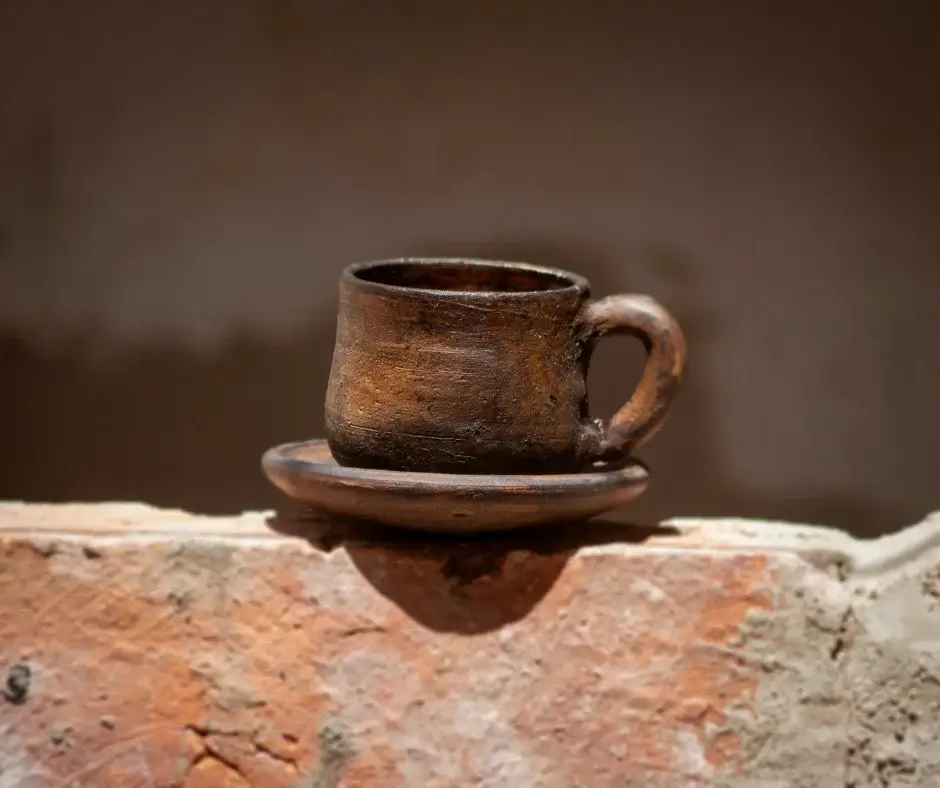
Different Cultures, One Gesture: How the World Celebrates Without Alcohol
Every corner of the world has its own way to celebrate life without alcohol—and each reveals what we truly seek in a toast: presence, connection, and meaning.
Japan – The Tea Ceremony as a Meditation on Togetherness
In Japan, drinking tea is an act of mindfulness. Every gesture matters: the way it’s poured, the silence before the first sip, the rhythm of the breath. The tea ceremony (chanoyu) isn’t a social event—it’s a spiritual dialogue in which tea becomes a symbol of harmony, purity, and calm. In the zero-proof world, there’s hardly a more elegant equivalent of the toast—no clinking of glasses, but a full sense of presence.
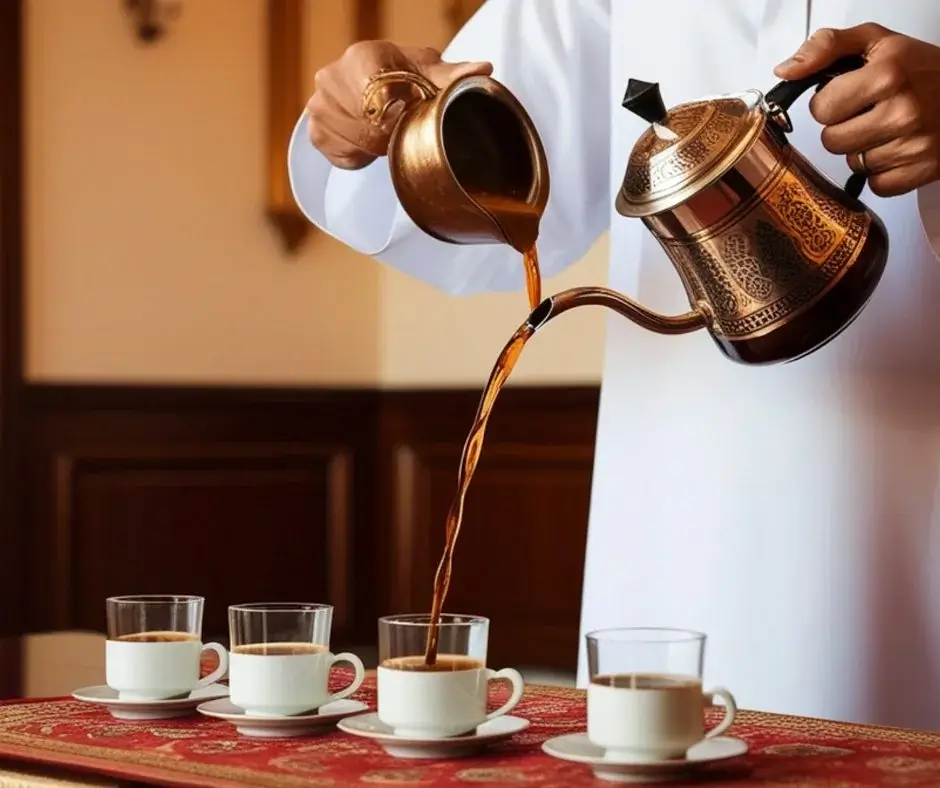
The Middle East – Coffee as a Language of Hospitality and Respect
In the Middle East, a cup of coffee is not a drink—it’s an invitation.
Thick, aromatic, and served in small portions, it symbolizes hospitality and connection. There’s an Arabic saying: “Between us, there is coffee.” It means that what is shared is not just the beverage, but trust itself. Here, there are no toasts—only ritual. Coffee is prepared with intention, in silence, in rhythm with the heart.
India – Lassi, Spices, and the Divine Taste of Togetherness
In India, celebrating without alcohol is the rule, not the exception. Ritual drinks like lassi, spiced milk, or rose water accompany both everyday gatherings and sacred ceremonies. In Indian culture, a drink symbolizes cleansing, balance, and divine presence. It’s not entertainment, but offering—a way to honor life in its simplest form.
Scandinavia – Fika, the Everyday Ritual of Closeness
In the Nordic countries, you don’t need a glass to celebrate. All it takes is coffee—and someone to share it with. Fika, the Swedish ritual of pausing for coffee and conversation, is a daily act of gratitude for relationships. It’s a mini-toast, repeated thousands of times in a lifetime.
No fanfare, no alcohol, but full of meaning. In a world obsessed with the extraordinary, fika reminds us that everyday life is worth celebrating, too.
Latin America – Ceremonial Cacao and the Spirituality of Taste
Before cacao became chocolate, it was the sacred drink of the Maya and Aztecs—a symbol of life, energy, and connection to nature. Today, the cacao ceremony has returned as part of the zero-proof culture: a drink that opens the heart instead of clouding the mind. Shared in silence, to the sound of drums or quiet conversation, it’s a spiritual version of the cocktail hour—more real, more human, more alive.
The New Europe: The Zero-Proof Era and the Reinvention of Western Rituals
Modern Europe isn’t rejecting alcohol for moral reasons—it simply desires something different. It craves clarity of thought, deeper conversation, and an aesthetic that doesn’t rely on chaos to be interesting. It’s no longer rebellion against tradition, but its reinterpretation—a toast raised to awareness, not oblivion.
From Toast to Experience – How Bars and Gatherings Are Changing
Contemporary Europe is redefining what it means to share a drink. More and more, people meet not to “have something to drink,” but to experience something—flavor, atmosphere, connection. Zero-proof bars are emerging in London, Berlin, and Copenhagen like sensory galleries: tasting menus instead of cocktail lists, drinks that tell stories of ingredients, terroir, and craftsmanship.
This is no longer a bar in the traditional sense—it’s a space for those who want to drink less, but feel more. It’s the moment when the culture of drinking stops being about alcohol—and becomes about presence.
A Culture of Tasting, Not Intoxication
In the zero-proof world, tasting has become the new pleasure. Instead of chasing percentages, we seek nuance: the bite of ginger, the smoke of juniper, the lightness of hibiscus. We learn to drink slowly, with curiosity, without hurry.
It’s a new alchemy of flavor—where sensitivity replaces competition, and conversation returns to the center of the table. Each sip becomes a moment that needs no blur.
Zero Proof as the Language of New Luxury and Self-Awareness
Not long ago, luxury was about excess. Today, it’s about choice. Zero-proof culture is a new language of elegance and self-awareness—a quiet confidence that doesn’t need validation through alcohol.
Brands, bars, and consumers alike are discovering that the true definition of premium is clarity. To be sober in a world of excess—that is the new luxury. It’s not about morality, but about taste that doesn’t have to be diluted.
What We’re Really Searching for in a Toast
In every toast, we seek not just togetherness, but acknowledgment—the brief moment when someone lifts a glass toward us and says, I see you, you matter. That simple act carries something deeply human: the need to be noticed, to feel gratitude, to celebrate existence itself.
The Gesture of Gratitude and Connection
Every toast, in every culture, says the same thing: I’m glad you’re here. It’s a universal act—an expression of gratitude, appreciation, and belonging. It doesn’t need alcohol to have power. All it needs is the moment—and intention.
Alcohol Was Only the Excuse – The Meaning Remained in the Gesture
Once, alcohol served as a catalyst for emotion, helping people open up.
Now, honesty has begun to replace courage in a glass. What truly connects us isn’t what’s in the cup—it’s the ritual itself: the meeting, the glance, the shared silence after the toast. The meaning was never in the liquid—it was always in the gesture.
Celebration Is a State of Mind, Not of Intoxication
To celebrate doesn’t require alcohol—it requires presence. It’s the state of savoring what is: a conversation, a success, an ordinary Thursday. In the zero-proof culture, we learn that joy doesn’t depend on percentages—and that the true taste of life begins when we feel everything, fully and clearly.