
How to Drink Alcohol-Free Spirits: Complete Serving Guide
-
 Tomasz Wojtalewicz

Table of contents
How drinking 0% spirits differs from drinking traditional alcohol
Drinking 0% spirits follows different principles than drinking traditional alcoholic beverages, because the focus is not on physical effects, but on sensory experience. Flavor, aroma, texture, and serving method become the key elements that define how a drink is perceived. Understanding this difference allows you to fully appreciate the character of zero-proof compositions and discover that mindful drinking can be just as satisfying as traditional rituals.
This is not a substitute – it is a category of its own
One of the most common mistakes beginners make is treating 0% drinks as simply a “version without alcohol.” As if their only purpose were to replace alcohol when, for some reason, you choose not to drink it. In reality, this category is far more complex—and far more interesting.
Zero-proof drinks are not functional imitations. They are not meant to create the same physiological effect. Their role is to provide a sensory experience: aroma, structure, character, and ritual. The difference is similar to specialty coffee versus instant coffee. Both contain caffeine, but only one delivers a true experience.
That is why the way you drink matters. Temperature, glassware, proportions, and pace all influence perception. With 0% spirits, there is no shortcut through alcohol’s effects—there is space for flavor and craftsmanship to take center stage.
A well-designed zero-proof spirit, such as Volante Highland Legacy Malt, does not try to imitate alcohol. Instead, it creates its own profile: dry, complex, built on oak-inspired aromas, spice, and subtle structure that reveal themselves best in the right context.
Why flavor, temperature, and context matter more than alcohol content
In traditional alcohol, ethanol serves several roles at once. It carries aroma, creates the familiar warming sensation, and shapes flavor perception. In alcohol-free spirits, these effects are recreated using other ingredients such as spices, botanical extracts, capsaicin, glycerin, and tannins.
This means serving conditions matter even more than they do with alcoholic drinks.
If the temperature is too low, aromas can become muted. Too much ice can dilute the structure. The wrong glass can disperse aroma before you experience it. The right conditions, however, allow depth and character to emerge—qualities that might otherwise go unnoticed.
Context also plays a psychological role. The same drink consumed quickly will feel different than one enjoyed as part of a deliberate moment—an evening ritual, a conversation, or a pause for yourself.
A shift in expectations: from physical effect to sensory experience
The biggest change happens not in the drink, but in mindset. Instead of expecting a physical effect, you begin to focus on nuances: aroma, texture, and how flavor evolves over time.
The first sip is no longer the beginning of an effect, but the beginning of an experience. This is a subtle but fundamental shift. In practice, alcohol-free spirits reward attention. The slower and more consciously you drink, the more complexity you discover.
Can you drink alcohol-free spirits neat?
One of the most common questions beginners ask is whether alcohol-free spirits can be consumed without mixers. The answer is yes—provided they are properly prepared and served. Drinking neat allows you to fully understand the profile, structure, and balance of a spirit, and to experience how its elements work together without interference.
When drinking neat makes sense
Drinking alcohol-free spirits neat allows you to experience their full structure, aroma, and balance. This is especially true for whisky-style compositions or dry blends designed to be enjoyed on their own.
Neutral clear grain spirit compositions can also be served neat, particularly when their profile is dry and balanced. A good example is Volante Eastern Clear Grain Spirit, whose clean character makes it suitable both for neat serving and as a base for alcohol-free cocktails.
How to prepare an alcohol-free spirit for neat drinking
Three elements matter most: temperature, glassware, and quantity.
Do not pour too much. A serving of 30–50 ml is ideal, allowing you to focus on the experience without excess. Use a clean glass with a solid base or a tasting glass that helps concentrate aroma. Before taking the first sip, allow the drink to rest briefly. Contact with air helps open the aroma and enhances perception.
Why temperature and glassware change everything
Temperature directly affects how aromas are perceived. If the drink is too cold, it may seem flat and less complex. If it is too warm, it may lose freshness and balance.
The optimal temperature is usually lightly chilled or room temperature, depending on the style. Glassware acts as a tool. Narrow glasses concentrate aroma, while wider ones allow the drink to breathe. A heavier base stabilizes temperature and affects how the drink feels in your hand.
When to add ice—and when to avoid it
Ice is not mandatory. It is a tool.
Add ice if you want to:
increase freshness
slightly reduce intensity
create a more refreshing profile
Avoid ice if you want to experience the drink in its original form. Ice always changes both temperature and concentration.
How to serve whisky-style alcohol-free spirits to reveal full character
Whisky-style alcohol-free spirits are designed to offer a layered and complex experience. The right glass, temperature, and drinking pace directly affect how you perceive aroma and structure. Proper serving allows subtle notes to emerge and helps you understand the full character of the drink.
Choosing the right glass and why it matters
A tumbler or tasting glass is the best choice. Both help concentrate aroma and control drinking pace.
Compositions such as Volante Highland Legacy Malt benefit greatly from proper glassware, which allows oak- and spice-inspired layers to fully develop.
Serving temperature – the most common beginner mistake
The most common mistake is over-chilling. Low temperatures suppress aroma and flatten the profile.
It is better to start at room temperature or slightly chilled, and add a single ice cube only if you want to adjust the experience.
With ice or without? How to decide
There is no single correct answer. Ice changes the dynamics of the drink—opening some notes while softening others. The best approach is to try both versions: first neat, then with ice.
How to drink slowly and consciously
Small sips allow aromas to develop gradually. Pay attention to the beginning, middle, and finish. A well-crafted alcohol-free spirit evolves over time, just like traditional spirits.
How to serve rum-style alcohol-free spirits
Rum-style alcohol-free spirits are versatile and work well with mixers. They can be served simply or used as a base for more complex alcohol-free cocktails. Their flavor profile allows for balanced drinks that maintain depth and character.
Why rum-style works best in highballs
Rum-inspired compositions pair well with mixers. Their profile—built on molasses, spice, and depth—creates a strong foundation for highball drinks.
Volante Caribbean Molasses Blend was designed specifically for this purpose.
Best combinations: ginger, lime, cola, tonic
Ginger highlights spice. Lime adds freshness. Cola enhances depth. Tonic introduces bitterness and balance.
These combinations help build a complete alcohol-free drinking experience.
Balance between sweetness, freshness, and intensity
Proportion is key. Too much mixer hides the base, while too little makes the drink too intense. A good starting ratio is 1:3—one part base to three parts mixer.
How to build a simple alcohol-free drink at home
Ice, base spirit, mixer, and a fresh accent like lime are enough. You do not need professional equipment. Balance is what matters most.
How to serve clear grain spirit in alcohol-free cocktails
Neutral clear grain spirit compositions are among the most versatile bases in the alcohol-free category. Their clean profile allows you to create both simple and complex drinks without overpowering other ingredients.
Neutrality as an advantage
Neutral flavor provides flexibility. Volante Eastern Clear Grain Spirit works as a base that supports rather than dominates.
Why it is ideal for classic alcohol-free cocktails
Neutral spirits preserve balance and allow other flavors to shine.
How to prepare a simple dry alcohol-free drink
Mix the base with tonic or soda and add citrus. This creates a balanced and refreshing alcohol-free cocktail.
Best proportions
Ratios of 1:3 or 1:4 usually work best, preserving character while creating a fresh, balanced profile.
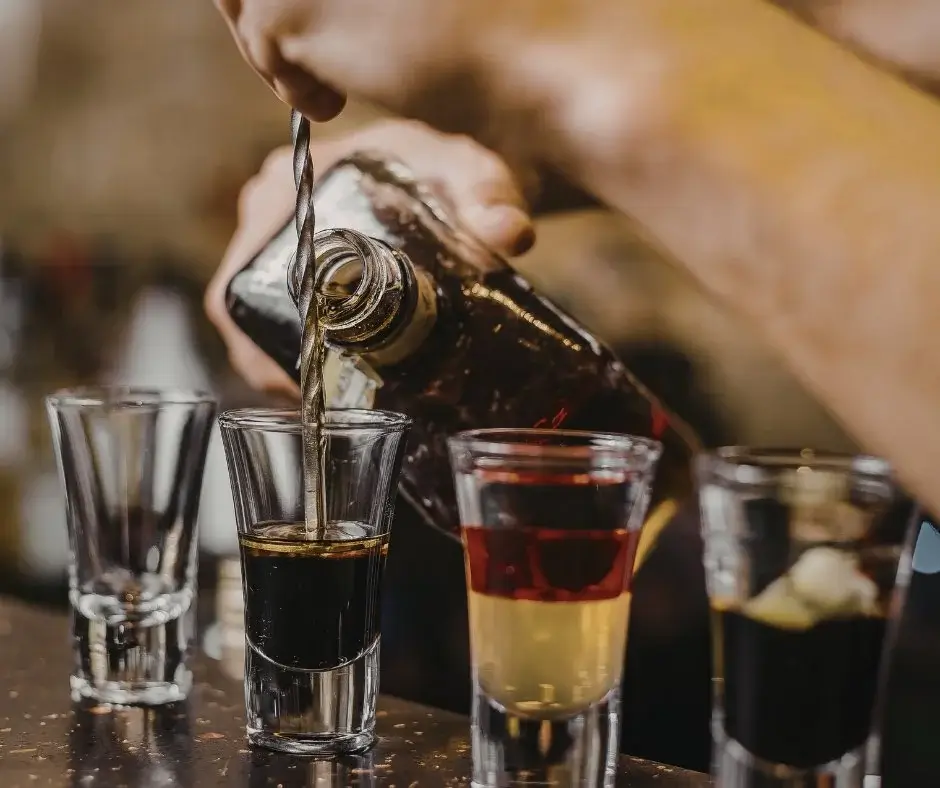
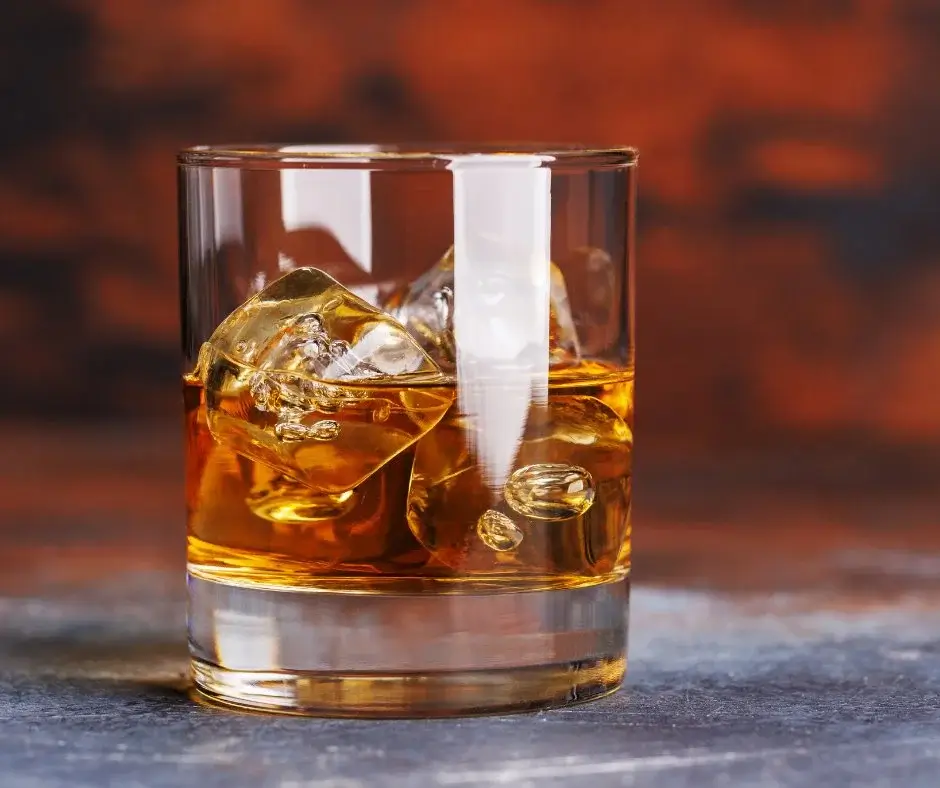
What glassware to choose for different styles of alcohol-free drinks
Choosing the right glassware is more important than it may seem. The shape and size of the glass influence aroma, temperature, and overall perception of the drink. Matching the glass to the style of the composition enhances the experience and reveals subtle elements that might otherwise go unnoticed under less suitable conditions.
Why glassware affects flavor and aroma
Glassware is not just an aesthetic detail—it is a functional tool that influences how a drink is experienced. The shape of the glass controls how aromas rise and reach the nose, and aroma plays a major role in what we interpret as flavor.
Narrower glasses concentrate aromas, making it easier to detect subtle notes. Wider glasses allow more contact with air, helping the drink open up and evolve. The thickness of the glass also affects temperature stability and how the drink feels in your hand—both of which influence perception.
This is why the same alcohol-free spirit can feel more complex when served in the right glass compared to a random one.
Tumbler, highball, and tasting glasses – when to use each
Different styles of alcohol-free drinks benefit from different types of glassware.
A tumbler—a short, wide glass with a solid base—is ideal for whisky-style alcohol-free spirits. It helps maintain temperature and allows room for ice without excessive dilution.
A highball glass—tall and narrow—is best for alcohol-free cocktails mixed with tonic, soda, or ginger-based mixers. Its shape helps preserve freshness and carbonation while maintaining proper proportions.
Tasting glasses, which taper toward the top, are ideal when you want to focus on aroma and structure. They are especially useful for understanding the full character of a zero-proof spirit.
Can you use a regular glass?
Of course. The most important thing is the experience, not perfection.
A regular glass will not ruin the drink. However, proper glassware can help reveal more nuance. It is similar to listening to music through phone speakers versus high-quality headphones—the content is the same, but the experience changes.
If you are just starting, use what you have. Over time, you can experiment with different glass styles and observe how they influence the experience.
Minimalism vs experience – what really matters
You do not need a full bar setup. Two types of glasses—a tumbler and a highball—are enough for most alcohol-free spirits and cocktails.
What matters most is not how many tools you have, but how consciously you use them. Even a simple ritual—pouring into a chosen glass, adding ice or not, and taking a moment—can significantly enhance the experience.
The best mixers and ingredients for alcohol-free drinks
Mixers should support the drink, not dominate it. The right mixer can enhance aroma, add freshness, or create contrast that enriches the experience. The key is understanding how different elements work together and maintaining balance.
The principle of contrast: freshness, acidity, and bitterness
The best alcohol-free cocktails are built on balance. Contrast between elements makes the drink more complex and engaging.
Freshness often comes from citrus. Acidity adds tension and structure. Bitterness brings depth and balance. Together, these elements create a fuller experience. That is why simple additions such as lime, lemon, or tonic can significantly enhance an alcohol-free drink.
Why tonic, ginger, and soda work best
Tonic adds subtle bitterness and structure. Soda preserves clarity and adds freshness. Ginger-based mixers introduce spice and intensity.
These mixers do not overpower the base spirit. Instead, they complement it and allow its character to remain central.
What to avoid: overly sweet and dominant mixers
One of the most common mistakes is using mixers that completely overpower the base. Excessive sweetness destroys balance and hides the character of the alcohol-free spirit.
If you only taste the mixer, the proportions are likely incorrect. The goal is not to hide the base, but to highlight it.
How to build balance easily
A simple guideline is a 1:3 ratio—one part alcohol-free spirit and three parts mixer. From there, adjust according to personal preference.
Adding a fresh element, such as a slice of lime, can significantly enhance the experience without complicating the process. Balance does not require complex techniques—only attention.
Common beginner mistakes and how to avoid them
First experiences with alcohol-free spirits often include mistakes that affect the overall experience. Most result from treating zero-proof drinks like soft drinks or traditional alcohol. Understanding proper serving principles helps unlock their full potential.
Treating alcohol-free spirits like soft drinks
Zero-proof drinks are not designed to simply quench thirst. They are crafted for sensory enjoyment. Drinking them quickly and in large amounts prevents you from fully appreciating their character.
Serving too cold
Excessive cold reduces aroma and complexity. Light chilling or room temperature is often optimal.
Incorrect proportions in alcohol-free cocktails
Alcohol-free spirits often require slightly larger quantities than their alcoholic counterparts. Alcohol is a powerful carrier of aroma, so without it, structure depends more heavily on the composition itself.
Increasing the base by 10–20% helps maintain balance and prevents dilution.
Drinking too quickly
Pace matters. Small sips allow flavors to develop and reveal themselves over time.
Creating a simple alcohol-free ritual at home
Alcohol-free drinking does not have to be random. It can become a mindful ritual that helps create space for rest and reflection.
Why ritual matters psychologically
Rituals help create transitions—from activity to rest, from work to relaxation.
How to prepare the moment
Proper glassware, a calm environment, and the absence of rush are enough.
An evening alcohol-free drink as a reset
It can serve as a signal that the day is ending and a moment of rest begins.
Building your own style
Experiment with proportions, temperature, and ingredients to discover your preferences.
The most important shift: drinking for experience, not effect
Alcohol-free spirits shift the focus away from physical effects and toward sensory experience.
Flavor as the central element
Without alcohol, flavor becomes the main focus.
Mindful drinking as a lifestyle
Drinking becomes a conscious decision rather than an automatic habit.
How alcohol-free spirits are changing drinking culture
They redefine what a drink can be, opening new possibilities.
From habit to choice
Drinking becomes intentional—and intentional choices create more meaningful experiences.