
No Alcohol, Full of Character. A Valentine’s Guide to Alcohol-Free Dating
-
 Tomasz Wojtalewicz

Table of contents
I Don’t Drink. So What Now? Dating Without Alcohol, Stress-Free
Until recently, going on a date without alcohol often felt like something that needed explaining. As if the absence of wine in a glass automatically changed the nature of the evening — taking away its ease, spontaneity, or sense of being “grown-up.”
In reality, more and more people are realizing that what creates the atmosphere of a great date isn’t alcohol, but presence, attention, and shared experience.
So you don’t drink — what now? Exactly the same as always: conversation, curiosity, flirting. Just without pressure, without artificially speeding up emotions, and without pretending that alcohol is necessary for a date to work. Especially on Valentine’s Day, when it’s easy to fall into ready-made scenarios, an alcohol-free date can feel surprisingly fresh.
Why Alcohol Is No Longer a Dating Requirement
For years, alcohol played a very specific role on dates. It helped break the ice, ease tension, and shorten the distance between two people who barely knew each other. Today, however, it’s increasingly no longer essential.
The way we think about relationships and personal comfort is changing. More people are choosing meetings that don’t rely on “boosters” — because they want to be more present, more aware, more themselves. Alcohol hasn’t disappeared completely, but it’s no longer the default choice. And that opens the door to new experiences.
A date without alcohol isn’t a sign of giving something up. It’s a sign of change.
No Alcohol ≠ No Atmosphere
One of the most common myths is the belief that without alcohol, a date loses its atmosphere. As if mood were directly linked to what’s in the glass. In reality, atmosphere is shaped by entirely different elements: the pace of conversation, lighting, music, small gestures, and shared moments of silence.
A drink — even a non-alcoholic one — still plays an important role. It’s part of the setting. Something that gives rhythm to the conversation and creates natural pauses. That’s why “just water” dates rarely have the same energy as those where there’s something more happening in the glass.
Atmosphere doesn’t need alcohol. It needs intention and flavor.
A Choice That Doesn’t Need Explaining
“I don’t drink” is increasingly no longer a declaration — it’s simply information. No backstory, no justification, no explanation required. And that’s exactly how it should be.
The most comfortable dates are the ones where you don’t have to explain your choices. Alcohol isn’t the topic of the evening — it’s just one element, like the place or the time. Once that weight is lifted, the date instantly becomes lighter and more natural.
What Do We Really Drink on Dates? It’s About Ritual, Not Alcohol
Although we often talk about alcohol, dates are rarely just about percentages. They’re about ritual. The moment of ordering, the first sip, the gesture of handing over a glass. These small actions are what give a meeting its structure.
That’s why the question “what should you drink on a date?” is worth looking at more broadly. It’s a question about atmosphere, not content.
Why “Something in the Glass” Matters
A drink on a date plays a role we often overlook. It gives conversation a natural rhythm, gives your hands something to do, and frames the meeting. It helps you focus on the moment and gives it a specific character.
When you choose something thoughtfully — even without alcohol — you’re sending a signal that this meeting isn’t random. That you care about the experience, not just ticking a date off your calendar.
Flavor, Aroma, and Moment Instead of Alcohol
Non-alcoholic drinks and alcohol alternatives bring exactly what used to be associated only with alcohol: complexity of flavor, aroma, and character. They can be dry, bitter, citrusy, or herbal — and they have nothing to do with childish sweetness.
These qualities are what make an alcohol-free date still feel “adult.” It’s still pleasurable, still engaging for the senses — just without the side effects.
When the Drink Choice Becomes Part of the Flirt
Choosing a drink often becomes a natural conversation starter. “That’s interesting,” “I didn’t expect that flavor,” “Try this.” These comments come effortlessly.
Non-alcoholic options have an advantage here: they’re less obvious, spark curiosity, and invite discussion. And curiosity is one of the most important ingredients of flirting.
The Non-Alcoholic Drink as the Hero of the Date
If there’s one alcohol-free option that works especially well on dates, it’s a proper drink. Not just any beverage, but a thoughtfully designed drink created with flavor and experience in mind.
Why a Drink Works Better Than “Anything Non-Alcoholic”
A drink is a conscious choice. It has structure, a recipe, and intention. It’s not a compromise or a substitute — it’s an alternative that stands on its own.
On a date, that kind of choice matters. It communicates confidence and coherence. And that always adds to attraction.
Depth of Flavor and a Grown-Up Character Without Alcohol
A well-composed non-alcoholic drink can be surprisingly complex. Flavors unfold in layers, aromas linger, and the whole experience becomes something to talk about and compare.
That depth is what makes an alcohol-free date not lesser, but simply different — often calmer and more attentive.
Alcohol-Free Spirits as the New Dating Standard
Alcohol-free spirit alternatives were created to preserve rituals while changing their consequences. They allow you to mix drinks, serve them in elegant glassware, and build atmosphere without the pressure to drink alcohol.
On dates — especially Valentine’s ones — this balance between mood and awareness can be crucial. Because the best evenings aren’t remembered for the wine, but for how good they felt.
A Valentine’s Day Drink Without Alcohol – Made Together
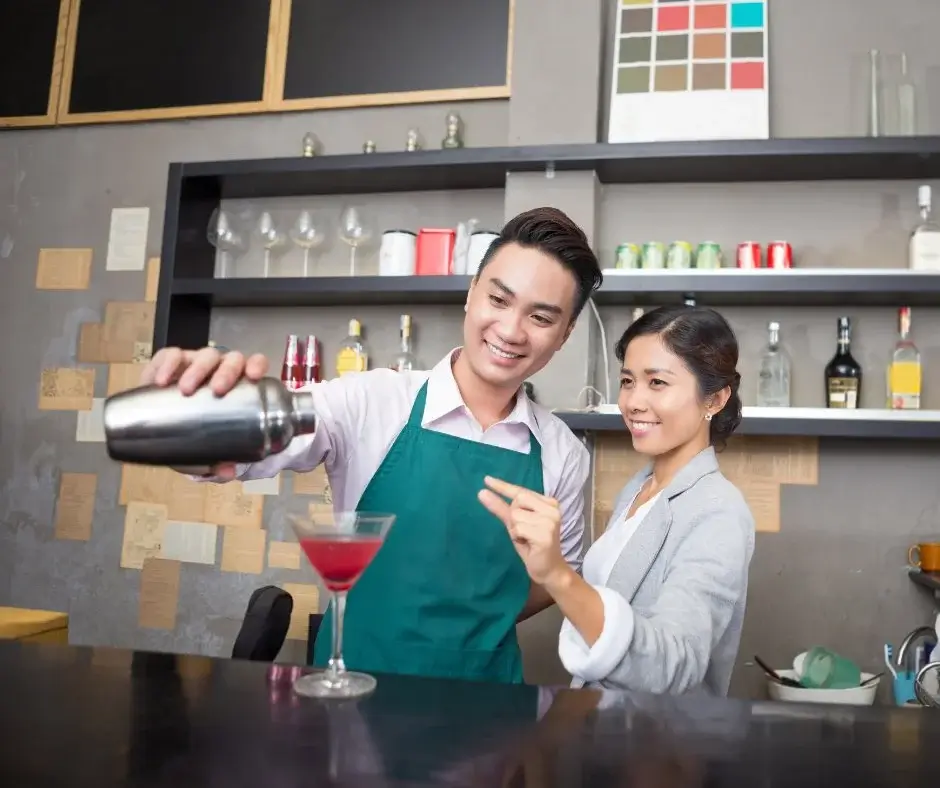
Valentine’s Day has one clear advantage over an ordinary evening: it legitimizes rituals. You can slow down, do something a little more “occasion-driven,” and it doesn’t feel forced. Preparing a non-alcoholic drink together fits perfectly into this mood — it’s simple, engaging, and surprisingly intimate.
It’s not about perfection or bartending skills. It’s about a moment you create together.
Why Mixing a Drink Together Shortens the Distance
There’s something very natural about doing something together — especially when it has a clear beginning, middle, and end. Mixing a drink offers exactly that structure: choosing ingredients, tasting, making small adjustments, and taking the first sip.
It’s the moment when conversation stops feeling like a “date” and starts feeling normal. And that’s precisely why it works. You don’t have to maintain constant eye contact or come up with topics — they appear on their own.
Mixing a drink together shortens the distance faster than another glass of wine. And it does so without the emotional acceleration that often leaves emptiness the next day.
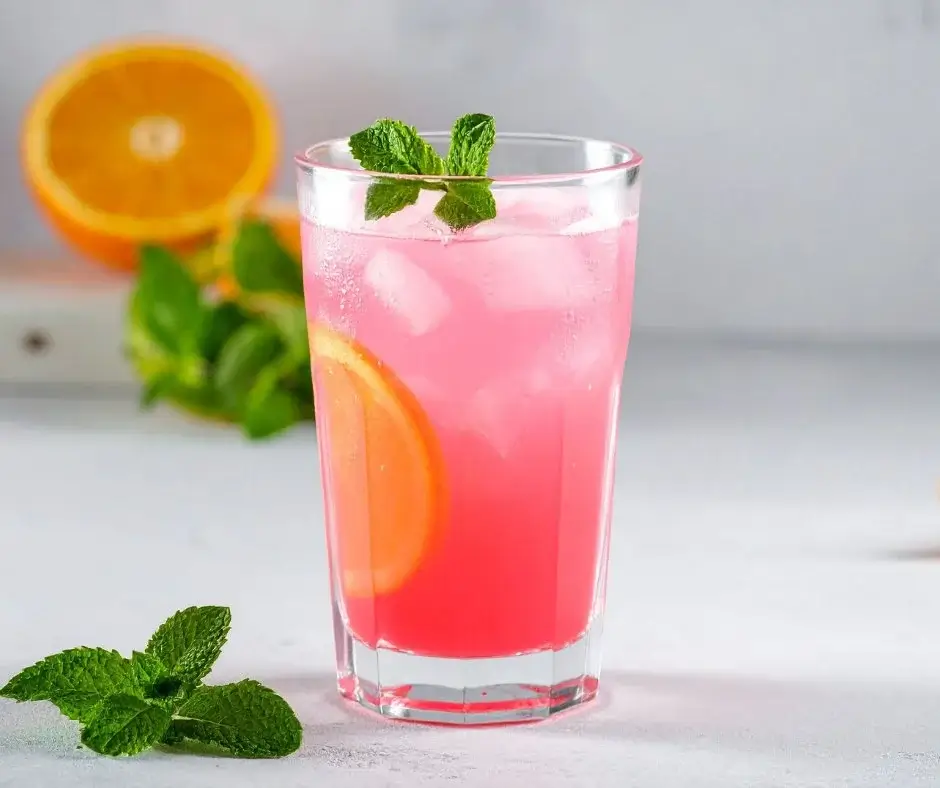
A Simple Valentine’s Day Drink Recipe Based on Volante
A good non-alcoholic Valentine’s Day drink should meet three criteria:
it should have character, be simple, and leave room for conversation.
Example structure:
Base: a Volante alcohol-free distillate (depending on the flavor profile you want to achieve)
Something sour: freshly squeezed citrus or a delicate non-alcoholic cordial
Something to round it out: syrup, honey, or a natural sweetener
Aroma: citrus peel, herbs, or spices
It’s not about precise measurements. It’s about tasting. About one of you saying “a little more,” and the other checking how the flavor changes. That process is what makes the experience.
How to Serve a Drink to Set the Mood (Even at Home)
Glassware matters. Ice matters. Even the way you pour matters. These are small details — but they’re what create atmosphere.
You don’t need a bar or professional equipment. All you need is:
one nice glass
large ice cubes or crushed ice
a simple garnish — citrus, herbs, or spices
This kind of drink isn’t just a beverage. It’s a moment.
What About Non-Alcoholic Wine?
Non-alcoholic wine is appearing more and more often in the context of dating — and for good reason. For many people, it’s a natural choice, especially if wine used to be a regular part of romantic evenings. But like any option, it has its place and its moment.
When a Glass of 0% Wine Makes Sense
Non-alcoholic wine works best when simplicity matters. Dinner, calm conversation, a classic atmosphere. It’s familiar, requires no explanation, and is easy to settle into.
It’s a good choice if both of you feel like it and if it fits the tone of the meeting. No ambition, no need to prove anything.
Drink vs. Wine – Two Different Dating Moods
Wine is a background element. A drink is an event. That’s the key difference to keep in mind.
A drink — even a non-alcoholic one — engages more. It requires a decision, creates a ritual, and gives you something to talk about. Wine tends to accompany rather than lead.
That’s why, if you want a date with an element of playfulness, discovery, and flirtation, a drink often wins. If you’re aiming for calm and classic — wine is the natural choice.
How to Choose Without Falling Into a “Substitute Drink”
The most important thing is not to treat non-alcoholic wine as “something instead of.” If the choice feels like a compromise, it will taste like one.
Both 0% wine and non-alcoholic drinks should be choices in their own right. If they aren’t — it’s better to choose something else.
What to Talk About on a Date When You’re Truly Clear-Headed
One of the biggest advantages of alcohol-free dates is clarity. Thoughts are sharper, reactions more honest, and conversations less accidental.
And although it might sound challenging at first, in practice it often feels like a relief.
Flavor as a Conversation Starter
Talking about flavor is one of the easiest and most natural ways to break the ice. What do you taste? What do you like? What surprises you?
These questions aren’t invasive, but they build closeness. They allow you to talk about preferences without entering overly personal territory.
Questions That Work Better Than Small Talk
Instead of the classic “what do you do?”, try:
“What made you genuinely happy recently?”
“What does your perfect unplanned evening look like?”
“How do you treat yourself when you want to celebrate something?”
These are questions that open up — not interrogate.
Why No Alcohol Supports Authenticity
Without alcohol, it’s harder to play a role. Harder to rush emotions. But it’s also easier to be yourself.
Authenticity on a date isn’t about saying everything. It’s about not having to pretend. And that’s often the best foundation for whatever comes next.
Where and How to Go on an Alcohol-Free Date (Without It Being Boring)
An alcohol-free date doesn’t require special places or alternative scenarios. It simply requires a shift in perspective: you’re going for the experience, not the percentages.
A Home Date with Non-Alcoholic Drinks
Home gives you control over pace, lighting, and atmosphere. It allows you to pause, change plans, extend the evening, or end it at exactly the right moment.
Cooking together, mixing drinks, talking at the table — all of this works especially well without alcohol.
Going Out for Flavor, Not for Alcohol
Cafés, bars with a good non-alcoholic selection, small bistros — places that focus on flavor rather than quantity are perfect settings for alcohol-free dates.
It’s not about avoiding bars. It’s about knowing why you’re going there.
Valentine’s Day Without a Script – Intention Matters
The best Valentine’s Day dates aren’t the ones trying to be perfect. No pressure, no checklists, no comparisons.
Intention matters more than a plan. And when good flavor joins the equation, everything else falls into place.