Power Without Proof: What Can Replace Alcohol? Pepper, Capsaicin, Oak, Molasses and Ginger – five ingredients that deliver the burn, without the buzz.
-
 Tomasz Wojtalewicz

Table of contents
Why Alcohol Tastes Strong – and How It Actually Works
How can you replace alcohol and still feel its power? It’s a question more and more people are asking — those who crave intensity without the side effects the next day. Because it’s never just about the percentage of alcohol, but about the emotion, the warmth in the throat, and that distinctive “spark” alcohol leaves on the palate.
As it turns out, nature has an answer. Pepper, capsaicin, oak, molasses, and ginger can create a composition that warms, lingers, and leaves a deep sensory imprint — without a drop of ethanol. In the world of modern free spirits, the strength doesn’t disappear; it simply changes its source.
What Is the “Feeling of Alcohol,” Really?
What we call the “taste of alcohol” isn’t actually a taste at all. Alcohol itself is neutral, slightly bitter — its “strength” comes from sensation, not flavor. It’s the warmth spreading through your throat, the gentle sting on your tongue, the subtle bitterness and weight that lingers on the palate.
This is a physiological, not purely gustatory experience. Our bodies don’t respond to alcohol because they recognize it — they respond because they feel it. It’s a stimulus: something that excites, warms, and places the senses in a subtle state of tension.
What Do We Feel Instead of Ethanol?
Here’s where science meets magic. The sensation of “alcoholic burn” isn’t unique to ethanol. The warmth and tingling come from TRPV1 and TRPA1 receptors — the same ones activated by capsaicin from chili, ginger, and pepper. That’s why drinks crafted with these ingredients can deliver almost the same feeling of strength — without alcohol. The brain receives the message: “this is intense”, and the body responds in kind — only this time, without the buzz.
What Can Replace Alcohol? Natural Ingredients That Deliver the “Burn”
When we ask what can replace alcohol, we’re not looking for a copy — we’re looking for a way to recreate the emotions we associate with it. The warmth, the depth of flavor, the awakening intensity — all of it can be achieved through nature. Here are five ingredients that create “strength without strength” — a drink that’s just as satisfying as a traditional spirit, but with zero alcohol.
Pepper – Elegant Heat
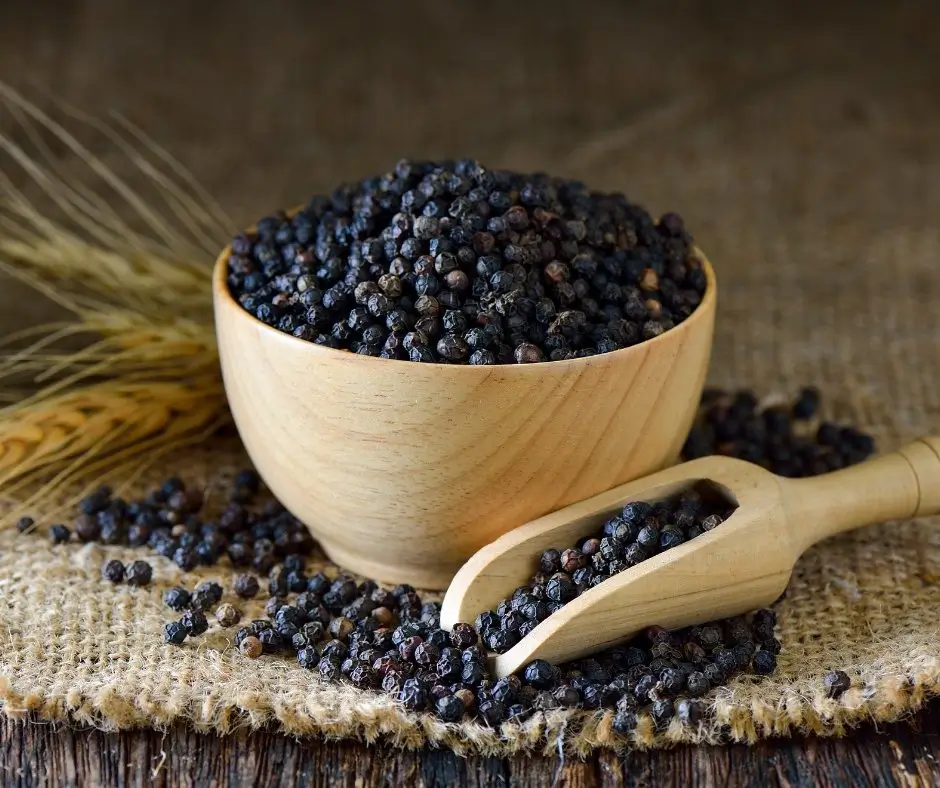
Pepper is the backbone of many alcohol-free distillates. The piperine it contains activates heat receptors and gently tingles the tongue, producing an effect similar to ethanol. It brings that touch of “bite” usually associated with alcohol content.
Capsaicin – Fire That Doesn’t Burn
It’s capsaicin from chili peppers that gives the familiar sensation of heat — now also found in non-alcoholic spirits. In controlled doses, it acts much like alcohol: boosting circulation, warming the body, and releasing a gentle wave of endorphins. It’s the spark of intensity that keeps a drink from feeling flat or timid. Well-balanced capsaicin doesn’t scorch — it dances, leaving behind a pleasant, lingering warmth.
Oak – The Taste of Time and Depth
Oak wood is the secret ingredient that brings the aroma of aging — the hallmark of whisky or cognac. From oak come tannins, vanillin, and lignin, compounds that add silkiness and notes of vanilla, caramel, and smoke. In alcohol-free spirits, oak provides structure and a sense of maturity. It gives the drink what we call the “character of the barrel” — warmth, depth, and a slightly dry, sophisticated finish.
Molasses – Weight and Velvet
If oak brings refinement, molasses gives body. This dark, dense ingredient — known from rum-making — plays the same role in its alcohol-free counterparts: adding richness, smoothness, and a lingering finish. Molasses not only balances the sharpness of pepper and capsaicin but gives the drink weight. Without it, the liquid would taste thin and flat; with it, it gains roundness and a silky texture that clings gently to the palate.
Ginger – Fire with Class
Finally, ginger — the ingredient that unites freshness and fire. Its natural compounds activate the same receptors as alcohol, but with far more finesse. Ginger doesn’t just warm — it refreshes and “opens” the aromas of other ingredients. In harmony with molasses, it soothes; paired with pepper, it intensifies. It’s the final note in a perfectly composed drink: leaving behind warmth, elegance, and the feeling that something special has just happened.
How to Compose Strength Without Alcohol
Creating a drink that delivers the feeling of strength without any alcohol isn’t a coincidence — it’s a matter of precise composition. In the world of free spirits, every ingredient has a purpose: some bring warmth, others add body, and others still lend aromatic elegance. Together, they create an experience that takes the senses on the same journey as traditional alcohol — only without the side effects.
The Layers of a 0% Experience
The first encounter is the aroma – dominated by oak, spice, and the gentle sweetness of molasses. Then comes the flavor impact: pepper and ginger deliver a brief, electric spark that awakens and warms. In the middle, the drink opens up – molasses and oak bring smoothness, balance, and weight. Finally, the finish – a long, pleasant warmth in the throat, reminiscent of a well-constructed spirit.
Each ingredient plays a role: pepper and capsaicin provide the spark, oak and molasses bring depth, and ginger adds freshness. Together, they form a symphony of sensations, where no element dominates, yet each can be distinctly felt.
The Art of Balance
The secret lies in balance. Too much heat turns pleasant warmth into pain; too little, and the drink loses its character. The best 0% distillates balance burn, sweetness, and depth — just as master blenders of whisky balance smoke, vanilla, and oak.
It’s within these proportions that the illusion of strength is born. When warming elements meet softer ones, and aromas merge into harmony, the drink stops being a substitute. It becomes a new kind of experience — one where power doesn’t come from alcohol, but from composition and perception.
The Psychology of Taste – Why the Brain Believes You’re Drinking Alcohol
Taste isn’t just chemistry — it’s emotion, context, and expectation. The feeling of drinking something “strong” doesn’t happen solely on the tongue; it begins in the brain. That’s why alcohol-free drinks can evoke nearly the same sensations as their spirited counterparts — as long as they activate the same senses and rituals.
The Senses Are Easy to Trick
Taste and smell are only part of the story. The real key is expectation: the sound of a bottle opening, the aroma in the air, the weight of the glass in your hand. When you sip from a glass, your brain automatically switches into ritual mode — a cascade of associations and emotional responses tied to alcohol.
That’s why a 0% drink can evoke feelings of relaxation, warmth, and satisfaction even without ethanol. The brain receives the signal: “This is a moment of pleasure, celebration, reward.” And the result feels exactly like enjoying a classic drink — except you wake up the next morning clear-headed and fully present.
The Ritual and Symbolism of the Glass
The ritual of drinking isn’t just a gesture — it’s a language of mood. The glass, its shape, the way it’s served — all create a context that gives the drink meaning. That’s why a mocktail can carry “strength,” even without alcohol.
Taste is emotion — and emotion needs a stage. When you serve a drink in an elegant glass, with the right scent and lighting, you create a moment your brain interprets as special. It’s not an imitation of alcohol, but a new ritual of pleasure — one where you no longer have to choose between taste and consciousness.
A New Definition of Strength
For decades, the strength of a drink was measured in percentage points. The higher the proof, the greater the prestige, the character, the “authenticity.” Today, that idea is fading. Modern drinking culture seeks something different — not intoxication, but experience. Not proof, but depth of flavor. Strength is no longer a chemical value; it has become an emotional and aesthetic one.
Free Spirits: Bold Flavor, Zero Proof
Don’t ask if alcohol can be replaced — ask why it should be, when something better can be created. Alcohol-free distillates — free spirits — aren’t copies of traditional drinks; they’re a new category of taste. Born from the same ambition as fine spirits — to evoke emotion, create ritual, and deliver complexity — they simply don’t need ethanol to do it.
The bold aroma of pepper, the warmth of capsaicin, the depth of oak, and the velvet of molasses combine to create an experience as intense as whisky or rum. It’s not a substitute — it’s an elegant evolution. A free spirit doesn’t pretend to be alcohol; it’s its spiritual essence — free, modern, and fully conscious.
The Future of 0% Drinks
The “zero proof” movement — the culture of mindful drinking — is one of the fastest-growing trends in modern gastronomy. In the world’s best bars, alcohol-free cocktails stand proudly alongside classics, crafted with the same precision and passion.
A new generation of drinkers seeks the power of flavor and ritual, not the power of alcohol. They want to experience, not escape. They want to choose consciously — and that’s why the future of drinking isn’t weaker. It’s simply smarter.