Volante Eastern Clear Grain Spirit is a clean and subtle alcohol-free spirit created as a neutral base for cocktails. Its mineral profile and gentle sharpness faithfully mirror classic vodka—without alcohol and without calories. Ideal for modern mixology where balance, lightness, and clarity matter most.
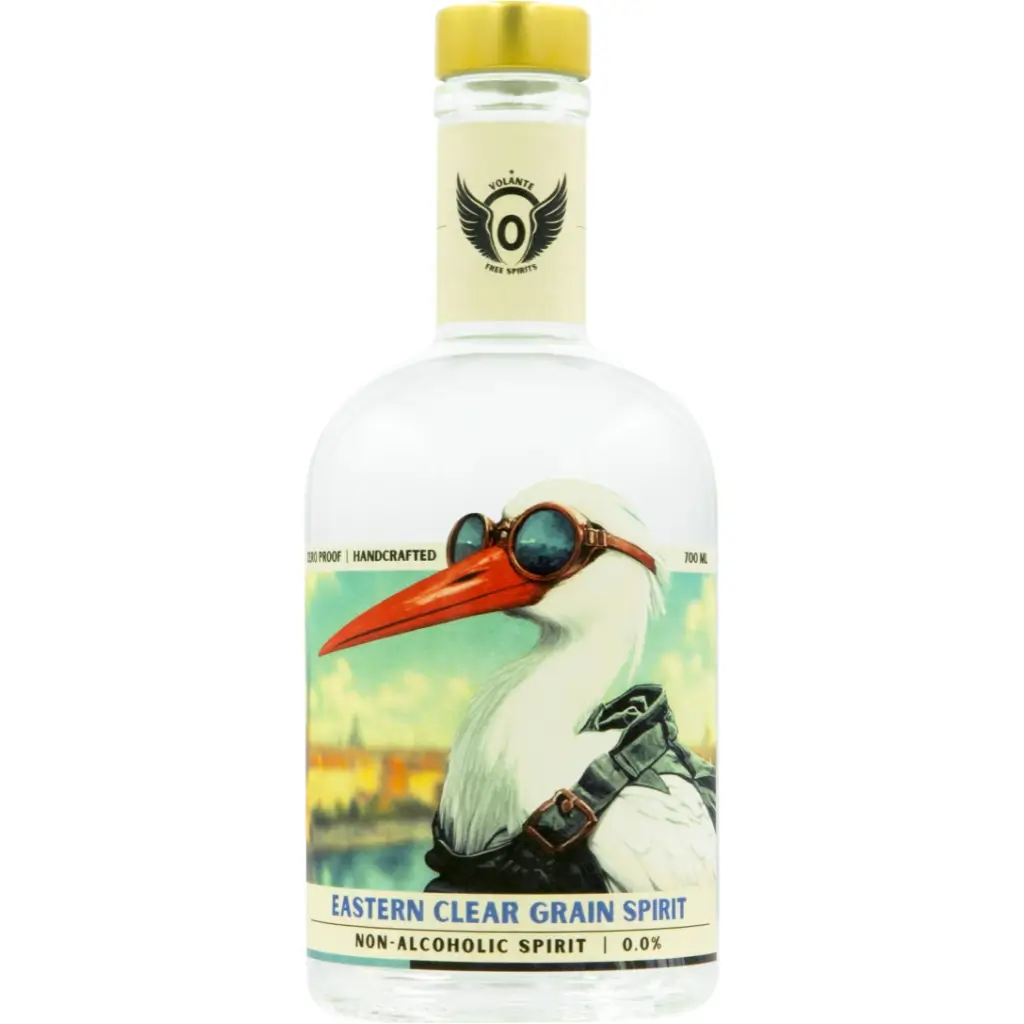
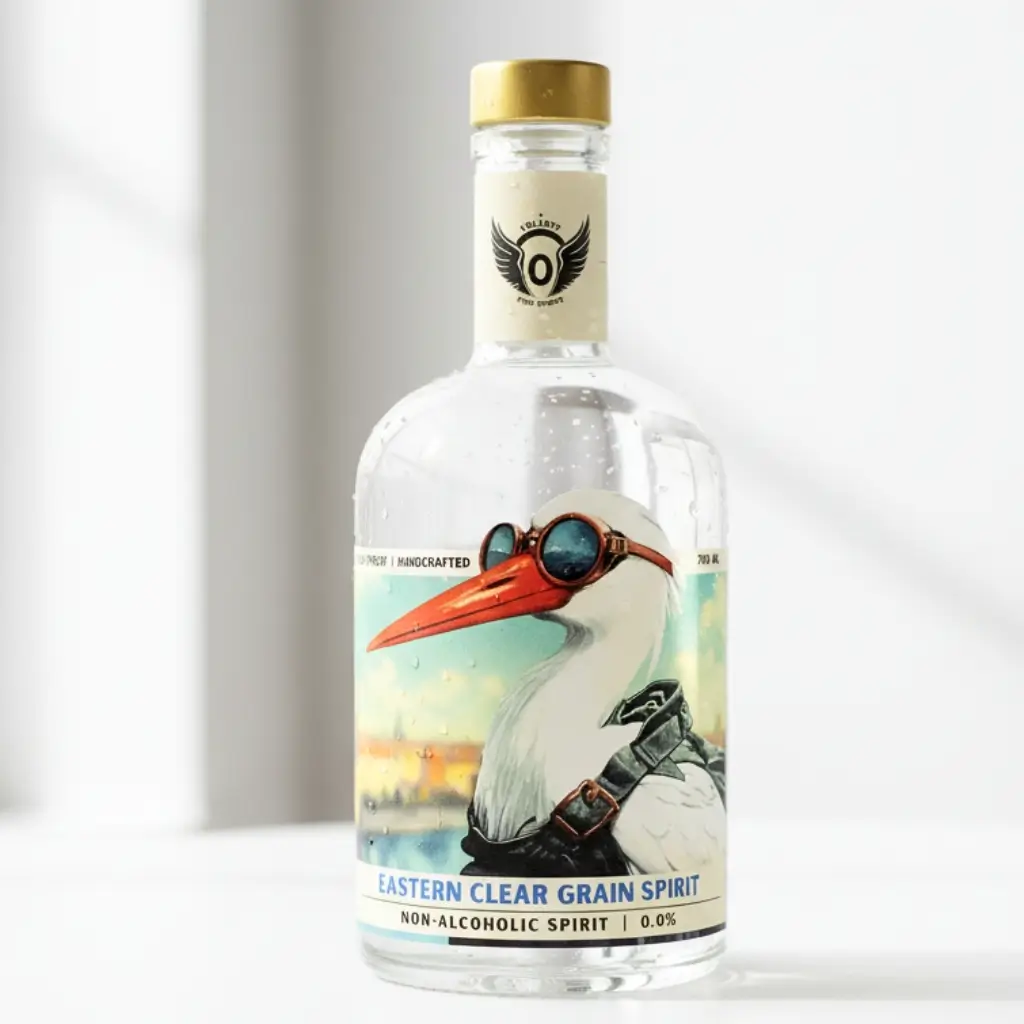
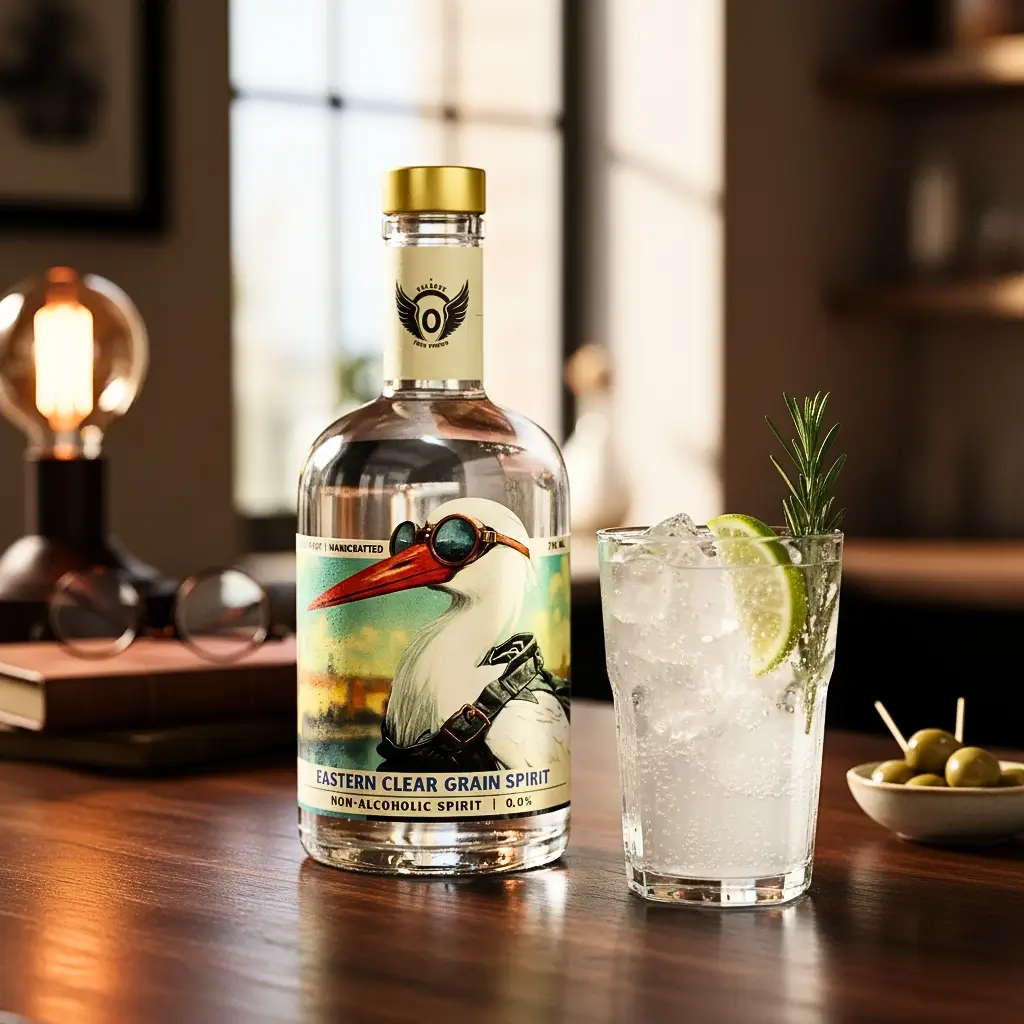
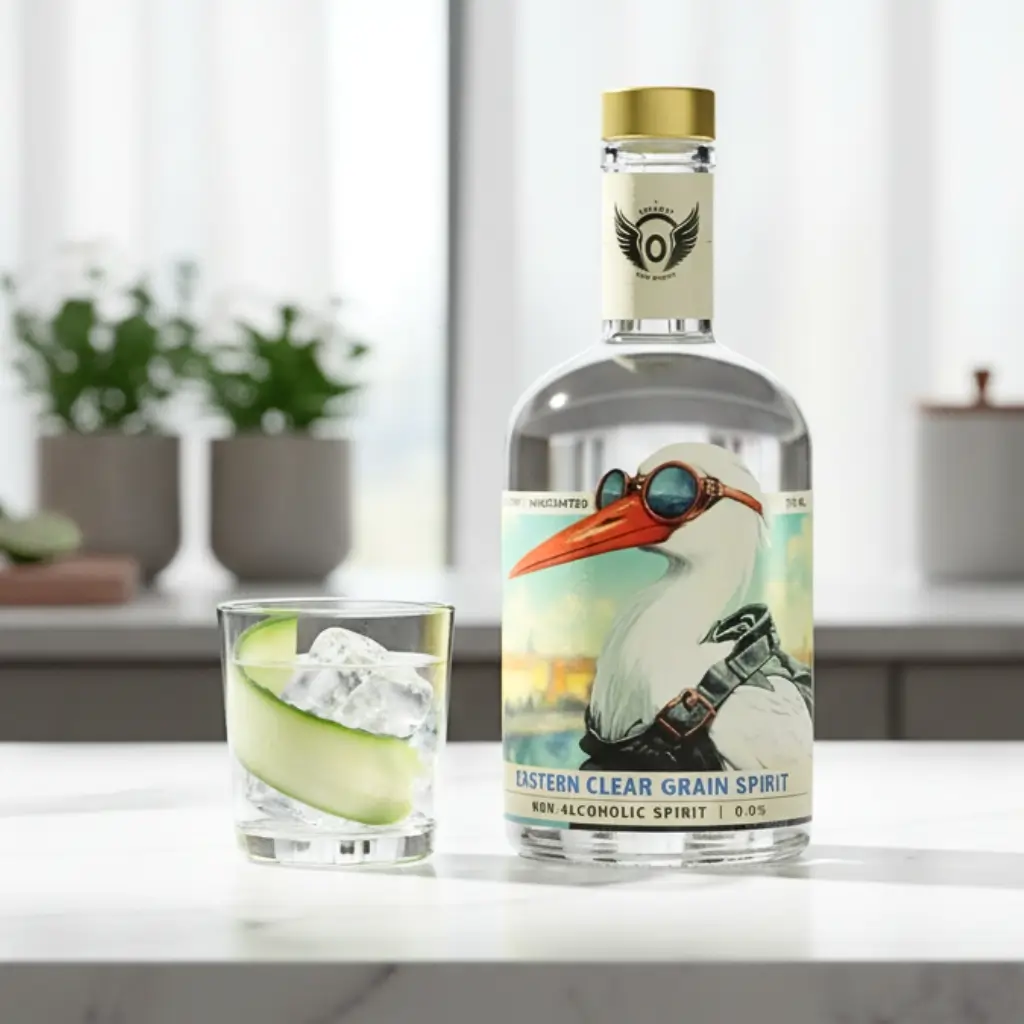
Eastern Clear Grain Spirit - Non-Alcoholic Vodka
SHORT DESCRIPTION:
VOLUME:
700 ml
PRICE:
21.99 €
Unit price: 31,41 € / l
Free shipping worldwide on orders over €149.
Shipping rates vary by destination.
Order by 12:00 noon and we’ll ship your order the same day.
226 in stock
FLAVOUR PROFILE:
Volante Eastern Clear Grain Spirit features a bold, multi-layered profile in which spicy, warming notes flow seamlessly into a gentle tingling sensation on the palate. A subtle grain background with lightly baked nuances adds depth and rounds out the composition. The finish is clean and refreshing, with a cool, crisp freshness that lingers pleasantly.
- Description
- How to serve?
- Ingredients & nutritional information
Volante Eastern Clear Grain Spirit is a craft non-alcoholic spirit designed as a neutral, clean, and precisely balanced alternative to vodka. It was created with mixology in mind—where precision, subtlety, and unobtrusive structure are essential—yet entirely without alcohol.
Despite being alcohol-free, it retains a characteristic mineral profile along with gentle warmth and sharpness associated with classic vodka. As a result, it serves in cocktails as a distinct yet neutral base that supports the structure of the drink without overpowering other elements. An additional advantage is its extremely low calorie content—just 1 kcal per serving—making it a light and conscious choice without sacrificing depth of tasting experience.
The production process combines precise infusion of natural ingredients with a craft approach to flavour extraction. Once the recipe is refined, Volante Eastern Clear Grain Spirit is filtered through 18 plates to achieve exceptional clarity, smoothness, and an ultra-clear character—exactly what is expected from the finest spirits served neat.
On the palate, the spirit remains crystal-clear, with only a barely perceptible alcohol-like structure and subtle sharpness that enhances balance in zero-proof cocktails. It performs perfectly wherever a clean foundation is required—in non-alcoholic interpretations of classics such as the Moscow Mule, Bloody Mary, Espresso Martini, or Cosmopolitan.
Volante Eastern Clear Grain Spirit is best enjoyed well chilled, at around 4–5°C, when its mineral purity and gentle spiciness are most expressive. It enables the celebration of the drinking ritual with style, quality, and a mature experience—completely without alcohol.
Volante Eastern Clear Grain Spirit was designed primarily as a specialized base for non-alcoholic cocktails and therefore reveals its full potential in mixology. Its delicate, balanced, and mineral-clean profile was crafted to harmonize seamlessly with a wide range of ingredients—from fresh citrus and tonics to bold vegetable juices and intense espresso.
Unlike more aromatic non-alcoholic distillates, its role is to enhance and stabilize the composition rather than dominate the cocktail. This makes it an ideal choice wherever an elegantly neutral structure reminiscent of classic vodka is required.
Due to its flavour profile, serving it neat is not recommended. The product was deliberately developed to express its qualities in combination with other ingredients, giving mixologists full freedom to create both simple and advanced zero-proof drinks.
Volante Eastern Clear Grain Spirit is purity, precision, and functionality in non-alcoholic form—a distinctive base that allows the rest of the cocktail to shine.
Ingredients
Water, botanical extract from spices and roots, stabiliser: modified cellulose, acidity regulator: spirit vinegar, flavourings, preservative: potassium sorbate.
Nutritional values (per 100 ml)
Energy: 3 kJ / 1 kcal
Fat: 0 g
– of which saturated fat: 0 g
Carbohydrates: 0.0 g
– of which sugars: 0 g
Protein: 0 g
Salt: 0 g
Additional information
Non-alcoholic beverage inspired by the taste of vodka.
Contains trace amounts of capsaicin – spicy product.
Store in a cool, dark place.
Consume within 4 weeks after opening.
Volume: 700 ml.
Discover the ingredients
Discover the natural ingredients that make Volante the perfect choice for creating non-alcoholic mocktails.
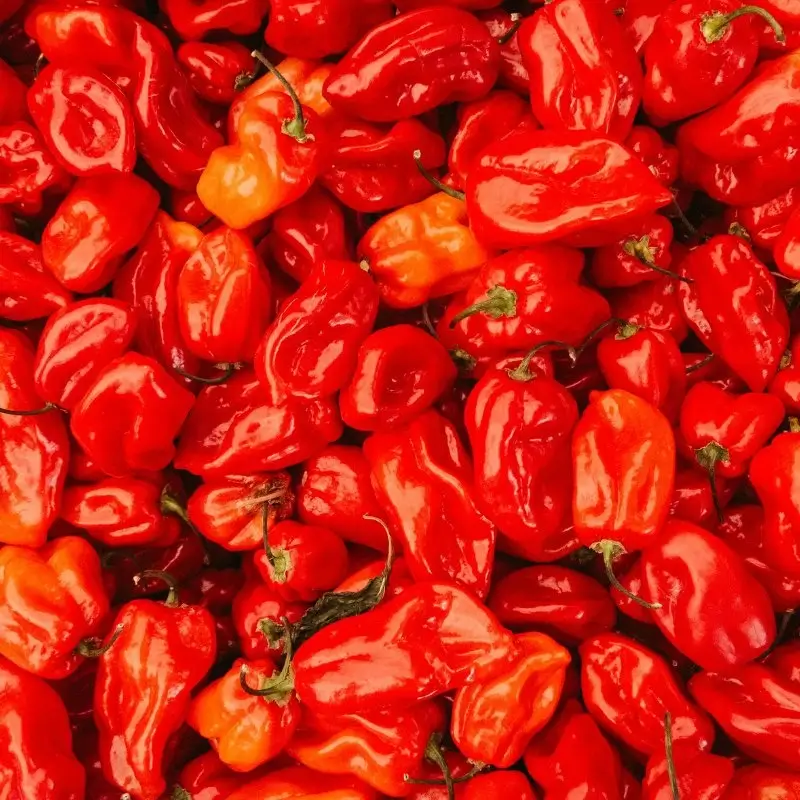
HABANERO PEPPER
Habanero pepper delivers deep, fiery spiciness that intensifies the flavour experience and adds character to the drink. Its aroma combines fruity sweetness with pronounced heat, creating a sensation of warmth that gradually spreads across the palate. The result is boldness, multi-dimensionality, and a touch of untamed energy.
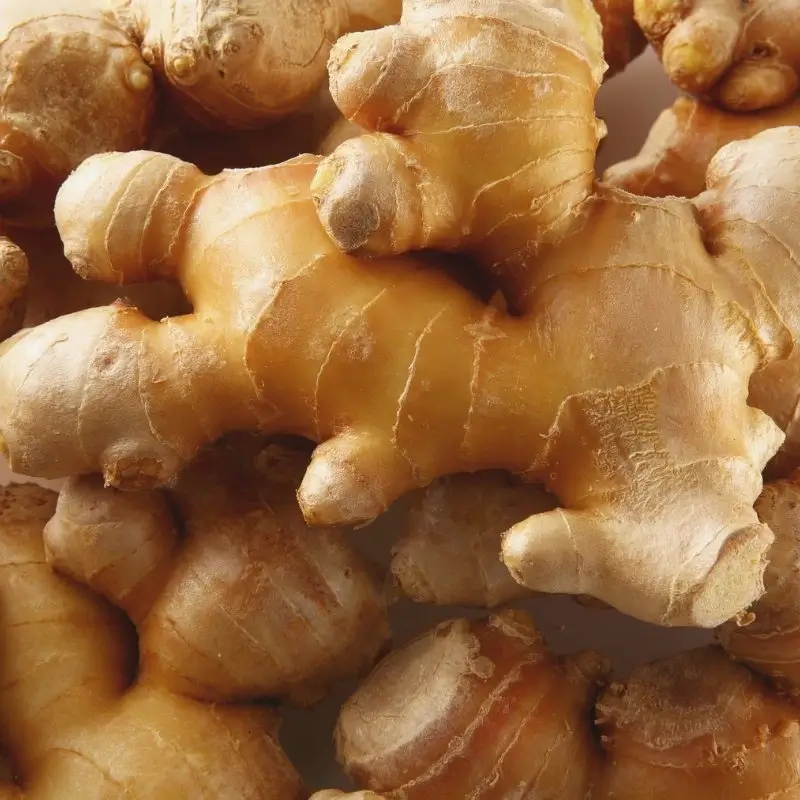
GINGER
Ginger introduces a fresh, gently spicy note that adds energy and character. Its natural heat lightly warms the palate, creating depth and dynamism. The flavour becomes more expressive and balanced, with a noticeable refreshing edge.
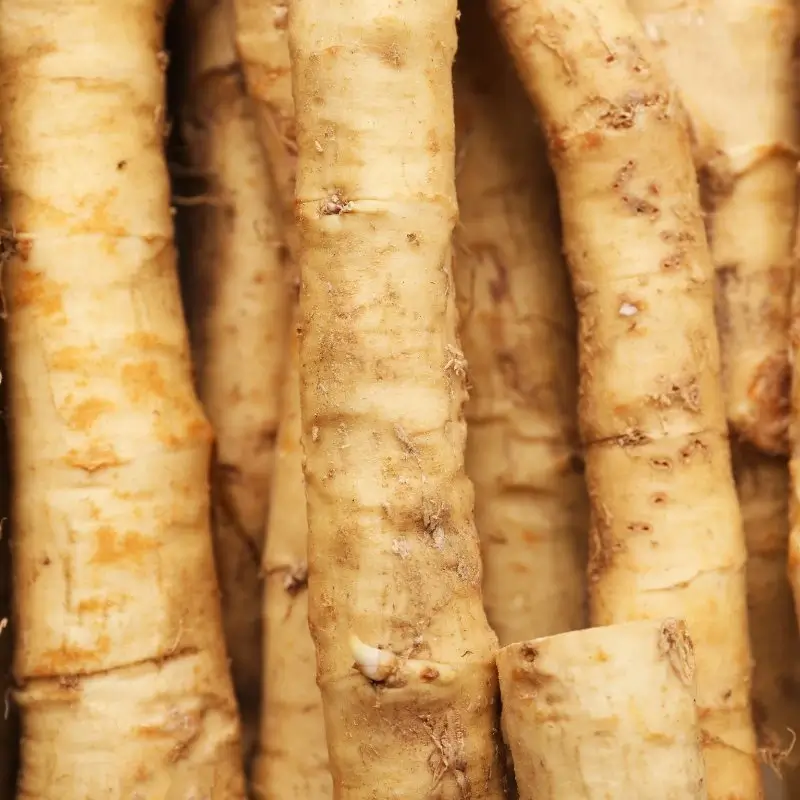
HORSERADISH ROOT
Horseradish root brings a sharp, piercing note that instantly awakens the senses and gives the composition a dynamic character. Its burning freshness and vegetal intensity cut through sweetness, building a bold, energetic accent and a long, invigorating finish.
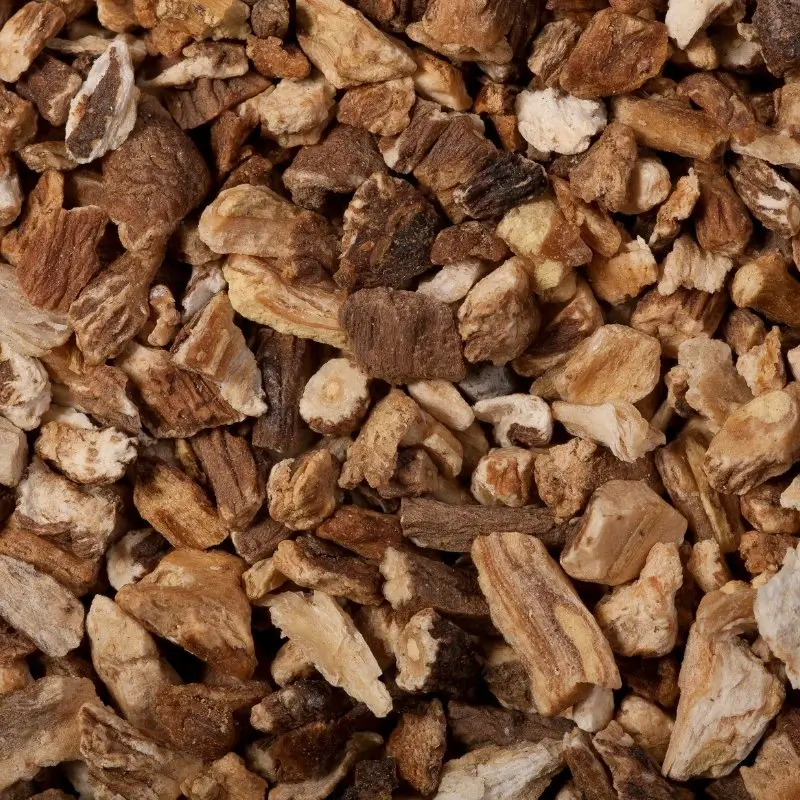
GENTIAN ROOT
Gentian root adds deep, noble bitterness that gives the drink structure and sophistication. Its herbal character balances sweeter notes, creating elegant contrast and a long, dry finish with a strong personality.
Non-Alcoholic Vodka – a new direction in mindful drinking
Non-alcoholic vodka has become one of the most significant trends in modern drinking culture. More and more people are looking for alternatives that preserve the flavour, ritual, and elegance of classic spirits—without alcohol. In a world increasingly shaped by healthy lifestyles, physical activity, and conscious choices, a key question keeps emerging: is it possible to enjoy the sensations associated with vodka without alcohol? This is where non-alcoholic vodka comes in—a spirit that redefines mixology, hospitality, and everyday enjoyment.
What distinguishes a great non-alcoholic vodka is not merely the absence of alcohol, but how well it captures the purity, mineral character, and subtle sharpness known from premium vodkas. It should be crystal-clear, lightly spicy, fresh, and precisely balanced—so that in cocktails it acts as an elegant base, allowing other ingredients to shine. As a result, vodka 0% has become a natural choice for those who want to create modern alcohol-free cocktails without sacrificing the full flavour experience.
Why is non-alcoholic vodka gaining such popularity?
Non-alcoholic vodka is not just an alternative for drivers or people on a diet. It is a response to the growing interest in zero-proof products that allow people to participate fully in social occasions without worrying about the side effects of alcohol. Vodka 0% offers freedom—you can mix cocktails, explore new flavours, test recipes, and enjoy the entire evening without compromise and without sacrificing productivity the next day.
More and more people are choosing solutions that preserve the complete experience while offering greater control over well-being. Alcohol-free vodka fits perfectly into this lifestyle. For some, it’s a way to reduce alcohol intake; for others, it’s a long-term shift. In both cases, its purpose is the same: to replace classic vodka as naturally and seamlessly as possible.
Vodka 0% in mixology – full functionality, zero alcohol
The greatest strength of non-alcoholic vodka is its versatility. Thanks to its clean flavour profile and gentle sharpness, it can effectively replace traditional vodka in cocktails. It performs beautifully in simple serves with tonic or citrus, as well as in more complex drinks built around herbs, vegetable juices, spices, or coffee. Its neutral yet structured character makes it the perfect canvas for creative recipes.
This is why alcohol-free vodka is appearing more and more frequently in restaurants, bars, and hospitality concepts that prioritize guest experience, creativity, and modern interpretations of classic cocktails. It replaces alcohol not only functionally, but also sensorially—offering pleasant warmth, clarity, and balance.
How to choose a good non-alcoholic vodka?
In the world of vodka 0%, quality truly matters. The best products stand out for their clean taste, careful filtration, and natural, subtly spicy finish. A well-crafted non-alcoholic vodka should never be sweet or artificial—its strength lies in elegance, craftsmanship, and the ability to convey the character of a classic spirit without alcohol.
When choosing, pay attention to: mineral structure intensity, perceptible warmth on the finish, absence of unnecessary sweetness, natural ingredients, clarity, and precise filtration. These elements are what elevate non-alcoholic vodka into a fully legitimate cocktail ingredient rather than a simple substitute.
Non-alcoholic vodka – flavour without compromise
A well-designed non-alcoholic vodka proves that all elements of the experience—aroma, structure, elegance, and style—can be preserved without alcohol. It allows you to celebrate moments, enjoy social gatherings, mix your favourite cocktails, and experience exceptional flavour in a conscious and comfortable way.
That’s why vodka 0% is not a passing trend, but a genuine alternative that is becoming a permanent part of contemporary drinking culture. More and more people are discovering it as a spirit that delivers control, quality, and pleasure—while opening new possibilities in mixology and everyday life.