Why Taste Isn’t Just on the Tongue – How We Drink with Our Eyes, Nose, and Memory
-
 Tomasz Wojtalewicz

Table of contents
Taste Begins Before You Try
Taste isn’t born on the tongue. Long before anything touches your lips, your brain has already decided: this will be good. The first sip begins much earlier – in anticipation, in scent, in the light reflected off the glass. It’s the senses, not the alcohol, that awaken pleasure.
Modern taste science shows that eating and drinking are psychological processes as much as physiological ones. The sight of the bottle, the way it’s served, the sound of the cork, the color of the drink – all create an emotional context that shapes how we perceive flavor. Anticipation builds pleasure before it even arrives. That’s why the “first sip” often tastes the best – it’s the moment when imagination becomes reality.
Anticipation – The First Ingredient of Taste
Taste begins in the mind. Our brain analyzes what we see and smell and delivers a verdict even before the first sip: this will be enjoyable. The senses work together – scent, color, and temperature combine to form an impression that precedes reality. Studies show that even a single aroma can activate the brain’s reward centers, much like chocolate or music.
So when we reach for a glass – whether filled with wine or a non-alcoholic spirit – the body responds to a promise of pleasure. Saliva starts to flow, muscles relax, and receptors prepare for sensation. Taste, in essence, is emotion disguised as physiology.
The Role of Ritual and Surroundings
The same wine can taste completely different in a bar than it does at home. Why? Because taste doesn’t exist in isolation – it’s co-created by its environment. Lighting, music, glassware, mood, even company – all shape how we perceive aroma and texture.
In a refined bar, warm light brings out the depth of color, and the sound of ice against glass enhances the sense of ritual. At home, in daylight and quiet, the same drink might seem simpler, less layered. Context is the spice of flavor – it can intensify or mute what we taste. That’s why Volante celebrates not just ingredients, but the entire scene: the glass, the scent, the moment that gives everything meaning.
Smell – The Hidden Hero of Every Sip
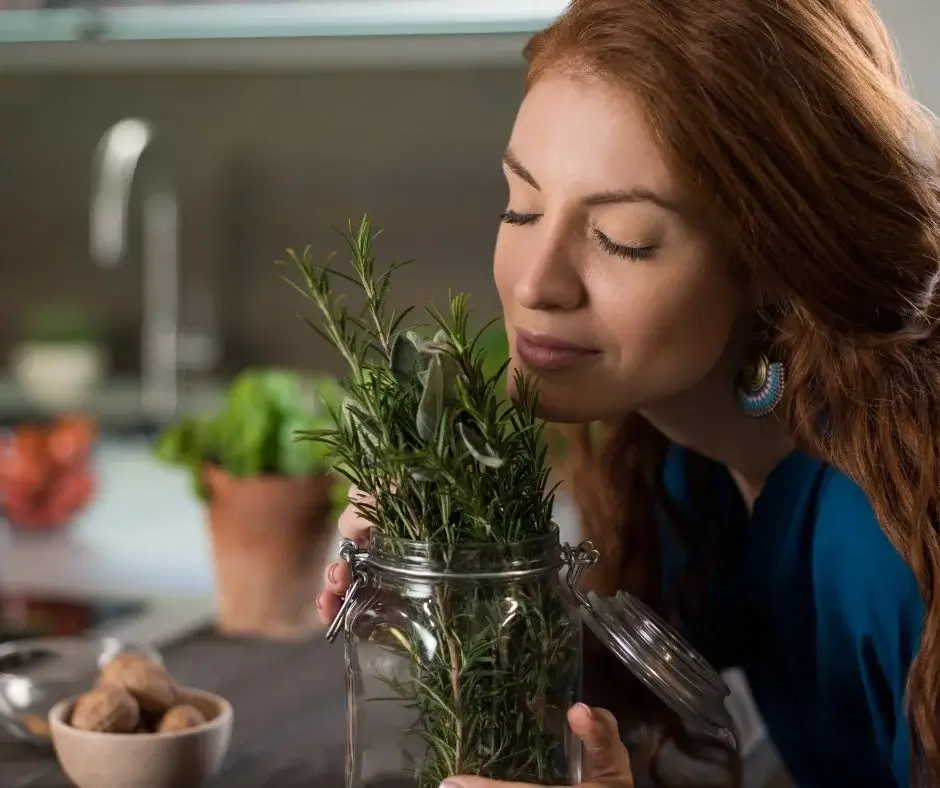
Before you even taste, you’re already tasting through your nose.
Scent is responsible for most of what we call flavor. That’s why a cold dulls pleasure, while a hint of ginger, smoke, or molasses can summon a memory more vividly than a photograph. Aroma is the invisible narrator of taste – it doesn’t speak directly, but it guides the senses, adds depth, and stirs emotion.
80% of Taste Is Smell
In alcohol-free drinks, it’s aroma that builds the illusion of strength. Oak, pepper, ginger, or molasses bring warmth and depth – the qualities that ethanol usually provides. Scent leads the experience, even when there’s not a drop of alcohol involved.
The Memory of Scents and Emotions
Each of us carries a personal library of smells – childhood, holidays, summer evenings. One single aromatic note can revive a feeling from years ago. The smell of smoke can recall a night by the fire; ginger, the calm of winter and the warmth of hands around a cup.
Smell is the most emotional of the senses, bypassing logic and traveling straight to the centers of memory and feeling. That’s why brands that master the art of scent create more than flavor – they create memories. Volante does this deliberately: every aromatic note – from pepper to oak – carries meaning. Not only for taste, but for what lingers in your memory after the last sip.
Sight – The Sense That Gives Meaning
Before we feel, we judge. The way a drink looks shapes the way we experience it. Color, shine, clarity – every detail tells a story about what to expect. Sight gives meaning, builds anticipation, and shapes emotion long before taste even appears.
Color, Clarity, and Light
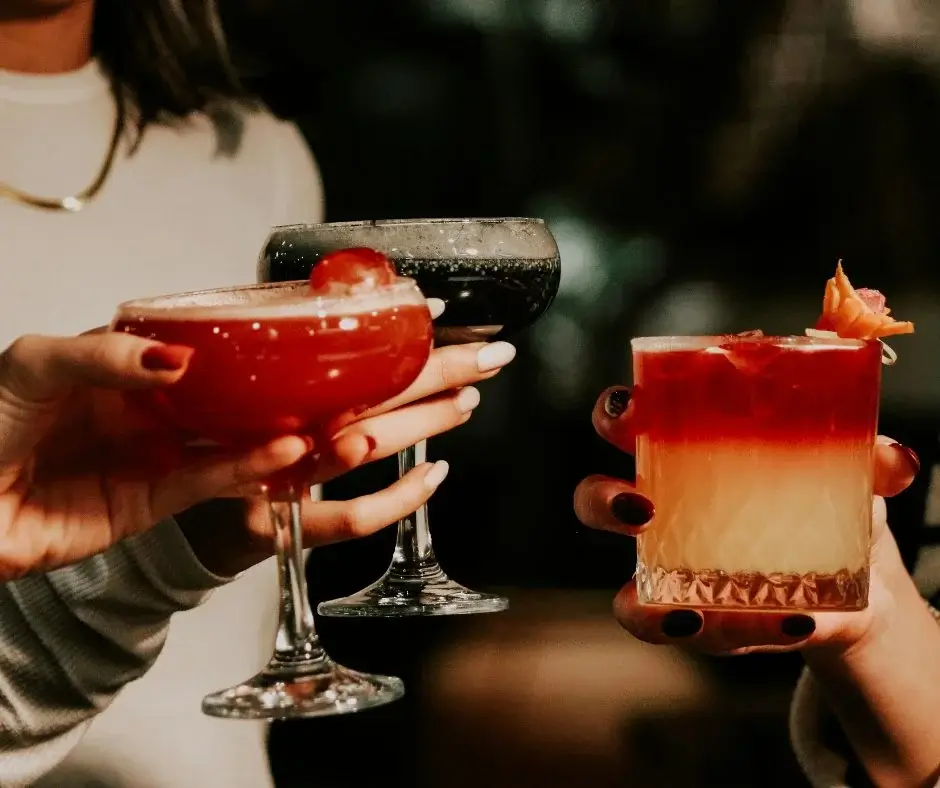
Color is the first language of taste. Deep amber suggests warmth, depth, and maturity – like whisky or rum. Transparency and a cool gleam, on the other hand, signal purity, freshness, and simplicity – like vodka or gin. In the world of 0% drinks, these associations are just as powerful: color alone can suggest strength, even when there’s no alcohol inside.
Light plays an equally important role. A warm glow can draw out golden tones that the brain interprets as richness and depth. Cool daylight, by contrast, makes a drink appear cleaner and more refreshing. That’s why a photo of a glass is more than aesthetics – it’s part of the tasting experience. The eye tells the story, and the story changes what we feel.
Glass Design and the Movement Within
Every glass has its own personality. Its shape, weight, and the way it catches the light all influence how we perceive what’s inside. Smooth glass highlights clarity and modernity; thicker glass conveys stability and gravitas. A bead of condensation sliding down the side, a glimmer of light in amber liquid, the subtle swirl of the wrist – these fleeting moments create the ritual of drinking.
In an elegant glass, even a non-alcoholic spirit takes on the aura of sophistication. Design communicates respect for the moment, and presentation becomes part of the pleasure. It’s not just what we drink, but how – and it’s that how that lingers in memory.
Touch and Temperature – The Sense That Gives Body
Touch is the most underestimated sense in tasting. Temperature, viscosity, and texture define how we perceive a drink’s power and character. They are what make us speak of “full-bodied flavor” or “pure refreshment.”
Cool, Warm, and the “Burn”
The feeling of “strength” doesn’t come from alcohol, but from the body’s reaction to sensation. Coolness refreshes, awakening receptors of freshness, while warmth wraps and soothes. A hint of heat – from pepper, ginger, or capsaicin – creates that familiar burn, the gentle wave of warmth down the throat.
That’s why 0% drinks can be just as intense as alcoholic ones. Their power lies not in ethanol, but in the orchestration of sensations – temperature, texture, and a spark of spice that awakens the body. It’s an experience you feel deeply, even without a single drop of alcohol.
Texture and Weight
Every sip has its own weight. How a drink moves across the tongue – whether it’s light and airy or smooth and velvety – shapes our sense of luxury. Density, viscosity, and a slight oiliness give a drink a sense of gravity, of layered complexity.
In the world of non-alcoholic spirits, ingredients like molasses, glycerin, or natural botanical extracts take on that role. They create a silky texture that lingers on the palate, mimicking the body and weight of a spirit with alcohol. Texture turns every sip into a gesture – a kind of touch in liquid form.
Taste as Emotion – Memory, Context, Meaning
Taste isn’t just a sense – it’s a language of memory. Each of us carries a personal map of sensations: the first espresso, a cold beer on a hot day, the scent of ginger from childhood. Taste reminds us of emotions we’ve felt, and moments we want to relive.
Why We Drink to Feel, Not Just to Taste
We don’t drink for taste alone. We drink for the emotions that come with it. Taste is a code through which the brain translates pleasure, comfort, nostalgia, or excitement. That’s why, even in a world without alcohol, it’s not about “replacement” – it’s about creating new emotions, equally real and profound. Free spirits like Volante don’t imitate alcohol. They show that pleasure doesn’t depend on proof – only on a composition that awakens the senses and restores presence.
The Brain and the Pleasure of Ritual
The ritual of drinking is a way to pause time. From the first glance at the glass to the final trace of aroma on the lips, every moment engages the senses and emotions. The brain reads it as a signal of reward, relaxation, fulfillment. That’s why a non-alcoholic drink can deliver the same feeling of “power” as a classic spirit. Because power doesn’t lie in alcohol – it lives in the experience: in how we see, feel, and taste the moment.