Why Zero Proof Drinks Shouldn’t Taste Like Juice – and What That Says About Taste Maturity
-
 Tomasz Wojtalewicz

Table of contents
Why Comparing Zero Proof Drinks to Juice Is a Mistake
Comparing zero proof drinks to juice is one of the most common simplifications in conversations about non-alcoholic flavor—and at the same time, one of the most misleading. Juice is a one-dimensional product whose primary purpose is to deliver sweetness and freshness. A zero proof drink, by contrast, aspires to a very different role. Its goal is not instant refreshment, but the creation of a flavor experience that unfolds over time and engages more than a single sensory cue. When we ask why zero proof drinks should not taste like juice, the answer lies not in the fact that they are “alcohol-free,” but in what we truly expect from such a drink.
Where the Idea That 0% Must Be Sweet Comes From
The belief that non-alcoholic drinks must be sweet originates in decades when soft drinks, lemonades, and juices were the only real alternatives to alcohol. For a long time, the absence of alcohol automatically meant the presence of sugar, and sweetness was the simplest way to create an acceptable flavor. This is how the assumption took hold that if something contains no alcohol, it must compensate with sweetness.
This mindset is still visible today in many zero proof products, where sweetness is often artificially intensified using ingredients such as sucralose or acesulfame K. While these solutions deliver an immediate effect, they also flatten the flavor and push the drink closer to the category of juice or soft drinks, instead of allowing it to develop its own identity.
Juice as a Mental Shortcut, Not a Flavor Benchmark
Juice has become a mental shortcut because it is familiar, easy, and immediately understandable. The problem begins when it is treated as a reference point for zero proof drinks, which by definition aim to offer more than simple sweetness. Comparing these two categories leads to false expectations and disappointment, because juice does not operate with structure, bitterness, length, or balance—elements that are essential to more complex flavor experiences.
As a result, the question “what’s the difference between juice and a zero proof drink?” is not only about ingredients, but above all about intention. Juice is meant to be easy and immediate, while zero proof is designed to build flavor gradually and leave a lasting impression.
Adult Flavor vs. Easy-to-Like Flavor
The difference between “adult” flavor and easy-to-like flavor lies in immediacy. Easy flavors are predictable, sweet, and require no interpretation. Adult flavors are more complex; they sometimes demand a moment of attention and openness, but in return they offer depth and a longer-lasting experience.
Sugar as the Simplest Way to Create Flavor
Sugar has long been the simplest tool for building flavor because it works quickly and reliably. In non-alcoholic drinks, it often plays a masking role, covering up a lack of structure or depth. It is therefore no surprise that many zero proof products lean toward intense sweetness, sometimes reinforced with sweeteners, to secure immediate consumer acceptance.
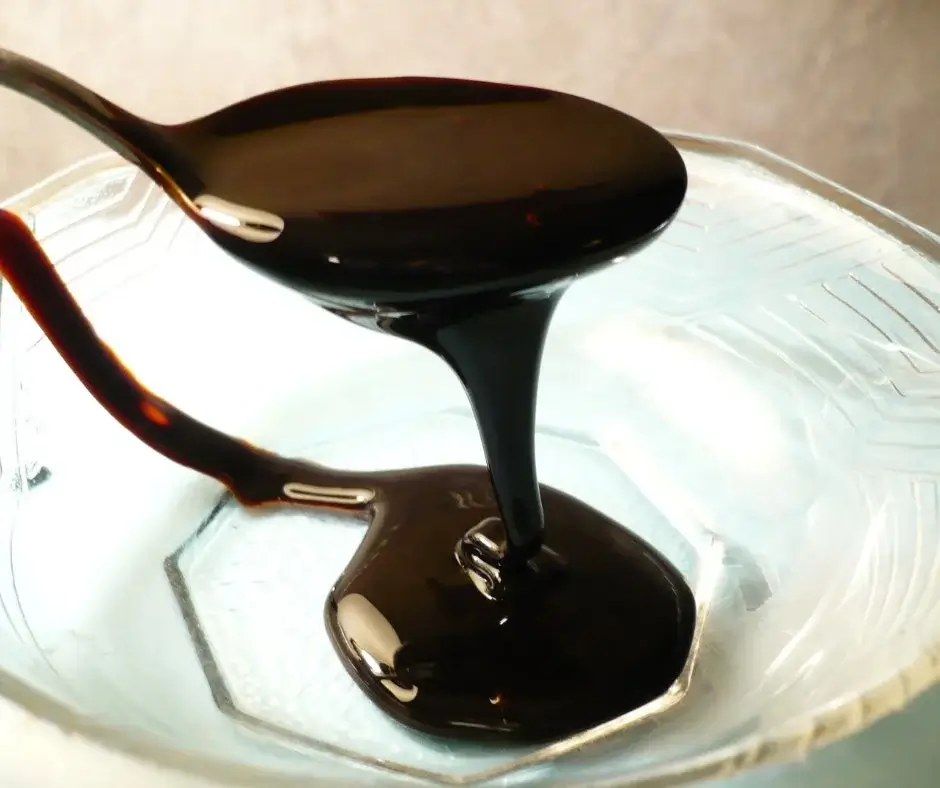
At Volante Free Spirits, we deliberately choose a different path. We do not sweeten our products with artificial sweeteners because we believe flavor should never rely on a single stimulus. Any sweetness present in our products comes exclusively from natural ingredients such as sugar cane molasses, pineapple, or licorice. This sweetness stays in the background, acting as part of the balance rather than the main carrier of flavor.
Why Bitterness, Acidity, and Dryness Require Experience
Bitterness, acidity, and dryness are not flavors that are instantly pleasing. They require context, time, and a certain level of sensory maturity. This is precisely why they are so rarely used as dominant elements in non-alcoholic drinks—despite being foundational to flavor in alcoholic beverages.
Zero proof drinks that consciously employ these components stop resembling juice and begin to function as an independent flavor category. They do not compete with sweet beverages; instead, they offer a different kind of experience—one closer to what we associate with cocktails or premium spirits.
What We Truly Expect from a Zero Proof Drink
Expectations toward zero proof drinks are increasingly moving beyond simple refreshment. For many people today, they are an alternative not because they are “alcohol-free,” but because they allow participation in the drinking ritual without compromising on flavor.
Not Refreshment, but Structure and Character
A zero proof drink does not need to be light or sweet to be enjoyable. More and more often, we are looking for structure, a clear sense of character, and flavor that evolves on the palate. These qualities transform a drink from a mere accompaniment into a meaningful part of the experience.
Structure is created through balance, temperature, texture, and serving style—not through excess sugar.
Texture, Length, and Balance Instead of Sweetness
What truly distinguishes a well-designed zero proof drink from juice is the way it lingers on the palate. Flavor length, a subtle bitterness in the finish, gentle viscosity, or mineral notes make the experience fuller and more satisfying.
That is why zero proof drinks should not taste like juice. Not because juice is bad, but because zero proof aspires to a different role—the role of a drink that challenges and develops taste maturity rather than simplifying it.
Why Alcohol Taught Us to Drink Differently Than Juice
Before we start talking about what zero proof drinks should taste like, it is worth returning to the reference point that has shaped our expectations of drinking as an experience for decades. Alcohol defined not only flavor, but also the way we consume drinks—the pace, the context, and the intention behind them. It is precisely these elements that make comparing zero proof to juice an oversimplification, one that ignores the cultural role of fermented and distilled beverages.
The Role of Alcohol in Building Ritual and Drinking Pace
For decades, alcohol shaped not only the flavor of drinks, but also how we consume them. It taught us to slow down, to pay attention, and to treat a drink as part of a ritual rather than merely a way to quench thirst. Alcohol introduced pauses, moments of restraint, and a natural limit to intensity, allowing the drinking experience to unfold over time. Unlike juice, which is typically consumed quickly and without reflection, alcohol functioned as a carrier of context and structure.
Why Removing Alcohol Does Not Have to Mean Losing Depth
Taking alcohol away does not mean taking these mechanisms away with it. Depth of experience does not come from alcohol content alone, but from how flavor develops on the palate, how long it lingers, and how it encourages a slower pace. Zero proof drinks can serve the same purpose when they are designed around ritual rather than instant gratification. This is the moment when zero proof stops being defined by absence and becomes a conscious form of experience.
What Happens When 0% Tastes Like Juice
When a zero proof drink is designed according to the logic of juice, not only its flavor changes, but the entire experience for the consumer. The consequences of this choice affect how long the drink holds attention, how it is remembered, and whether it builds any meaningful relationship with the drinker at all. This is the point at which simplicity begins to work against itself.
A Shorter Experience and Faster Flavor Fatigue
When a zero proof drink is built like juice, the experience ends almost as quickly as it begins. Dominant sweetness delivers an immediate impact, but just as quickly leads to flavor fatigue. There are no layers, no evolution, no moments that sustain attention. As a result, the drink becomes one-dimensional, and its role is reduced to the first few sips.
Why “Drinkability” Is Not the Same as Pleasure
It is often argued that a drink should be “easy to drink.” The problem is that drinkability, understood as the absence of resistance, does not necessarily equal pleasure. Flavors without tension, contrast, or structure quickly become forgettable. True pleasure emerges where flavor enters into a dialogue with the drinker, rather than disappearing without a trace.
Zero Proof Drinks as a Test of Taste Maturity
Zero proof, stripped of alcohol as a structural carrier, very quickly exposes how we perceive flavor. It is a category that cannot hide behind strength or intensity, and instead demands attention and openness. In this sense, zero proof drinks become not only products, but also a test of what we truly expect from flavor—and how willing we are to move beyond the obvious.
Why Not Every Drink Needs to Be Liked Immediately
Taste maturity lies in accepting that not everything has to be immediate or obvious. More complex flavors require attention and sometimes repetition. Zero proof drinks, lacking alcohol’s built-in structure, reveal the quality of flavor design even more clearly. This is what makes them a test of whether the drinker is ready for more than simple sweetness.
Zero Proof as a Category for the Conscious Consumer
Zero proof increasingly speaks to people who are not looking for an alcohol substitute, but for a new form of experience. These are conscious consumers, open to bitterness, acidity, and less obvious flavors, who do not expect a drink to be “pleasant” from the very first sip. In this sense, 0% becomes a mature category rather than a compromised one.
How to Design a Zero Proof Flavor That Doesn’t Resemble Juice
Designing a zero proof drink requires a different starting point than traditional non-alcoholic beverages. Instead of compensating for the absence of alcohol, the key is to build an autonomous flavor structure. The process begins with deciding what the drink should be—not with focusing on what it lacks.
Reducing Sugar as a Starting Point, Not a Goal
The first step in designing a zero proof drink that is not juice-like is moving away from sugar as the primary flavor builder. This does not mean eliminating sweetness entirely, but removing its dominant role. Sugar stops being an end in itself and becomes one element of balance, subordinate to the overall structure.
Building Flavor Through Acidity, Bitterness, Spice, and Structure
True depth in zero proof drinks emerges from the tension between different elements. Acidity provides freshness and direction, bitterness builds length and character, spices add complexity, and structure determines how the drink behaves in the mouth. These components allow 0% to function as a fully fledged flavor category rather than a non-alcoholic version of juice.
Conclusion: 0% Not as a Substitute, but as a New Flavor Category
Only when we stop treating zero proof as a substitute for anything does real change become possible. The conclusions lead in one clear direction: 0% works best when it is designed and perceived on its own terms. This closes the discussion about juice and opens a broader conversation about flavor as an experience.
Why Letting Go of “Juice Thinking” Changes Everything
Only by abandoning the idea of viewing zero proof drinks through the lens of juice can their full potential be realized. Zero proof does not need to imitate anything it is not. When treated as an independent flavor category with its own rules and expectations, space opens up for maturity, balance, and genuine pleasure. This shift in perspective redefines both how drinks are designed and how they are experienced.